🏞️ Why “Harvest Limits” Often Come Too Late
🌍 What It Was
The passenger pigeon was a bird species that once lived abundantly in North America. These birds were known for their massive flocks that darkened the skies during migration. Due to their huge numbers, the passenger pigeon played a vital role in their ecosystems, notably in seed dispersal.
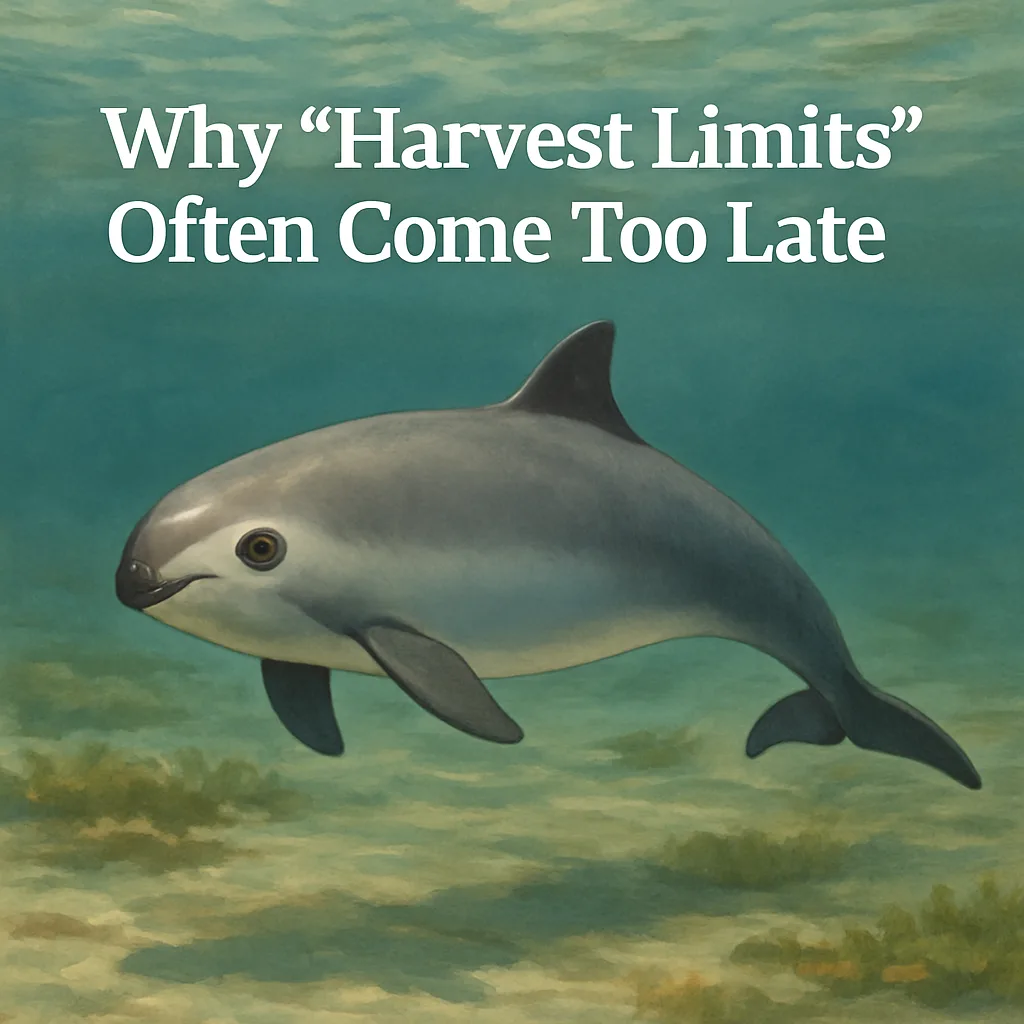
Their closest living relative is the band-tailed pigeon, a bird that shares some physical similarities and behaviors. Through this article, we will learn about their habitat, daily life, and the factors leading to their extinction, illustrating how late action on harvest limits can spell disaster for a species.
By understanding the fate of the passenger pigeon, readers will also gain insight into the extinction process, conservation efforts, and the importance of timely interventions in preventing similar losses today.
🧭 Where It Lived
The passenger pigeon primarily lived in the deciduous forests of eastern North America, ranging from southern Canada to the southeastern United States. They preferred habitats with plentiful oak, chestnut, and beech trees, which provided them with food and nesting sites.
Their extensive range allowed them to exploit different forest types and climates. However, passenger pigeons were particularly dependent on large, continuous tracts of forest, which provided the resources needed for their enormous populations.
Unfortunately, as these forests were cleared for agriculture and urban development, the habitat loss increased their vulnerability significantly. This dependency on vast forests made them especially prone to the effects of deforestation and fragmentation.
🌿 Habitat and Daily Life
The passenger pigeon's environment experienced varied climates with distinct seasons. These birds adapted to the changing temperatures and rainfall by migrating over large distances in search of food and suitable conditions.
Their diet consisted largely of seeds, particularly acorns, and berries which they found abundantly in their forest habitats. They were highly social birds, often seen foraging in large flocks, which helped protect against predators.
During the breeding season, passenger pigeons nested in dense colonies, sometimes covering miles of forest. Their clutches usually consisted of one egg, and while both parents helped care for the offspring, their survival rate heavily depended on environmental conditions and resource availability.
Their interactions with other species included a diet overlap with species like squirrels and competition for nesting spots with arboreal animals. However, their large numbers often allowed them to outcompete smaller species for available resources.
🧬 What Made It Unique
Passenger pigeons were medium-sized birds, with males displaying a bluish-gray head and iridescent neck patches, while females were more subdued in color. Their broad wings enabled long migratory flights, and their tail had pointed feathers well-suited for maneuvering through dense forests.
One distinctive ability was their capacity to gather in flocks that numbered in the millions, a strategy that overwhelmed predators and facilitated efficient foraging over large areas. Their ecological role as seed dispersers was critical; they helped maintain the health and distribution of forest ecosystems.
Culturally, passenger pigeons were significant due to their abundance, often seen as a symbol of nature's plenty in North American folklore and early literature.
⏳ When It Disappeared
The passenger pigeon's decline began in the late 19th century, with the last confirmed wild individual shot in 1900. Despite unconfirmed sightings in later years, the species was declared extinct in 1914 when the last known individual died in captivity.
Uncertainties remain regarding the accuracy of final sightings as records were not robust and often relied on anecdotal accounts. This highlights the challenges scientists face when confirming extinction, especially in cases involving species that once had large ranges or were migratory.
The term "Extinct in the Wild" applies when a species no longer exists in its natural habitat, though captive individuals may remain. For the passenger pigeon, captivity could not sustain the population, leading to total extinction.
⚠️ Why It Went Extinct
The extinction of the passenger pigeon was primarily driven by overhunting and habitat loss. As forests were cleared, the pigeons lost their feeding and nesting grounds, exacerbating the impact of hunting.
Overhunting became unsustainable as commercial hunting techniques improved, and the advent of the telegraph and railroad facilitated their mass transport across vast distances. As the pigeon population dwindled, these factors significantly reduced reproduction chances.
In addition, introduced species and possibly diseases may have played smaller, compounding roles in their extinction. The cumulative effects of these factors ultimately led to the collapse of the population, demonstrating how multifaceted pressures can undermine even seemingly abundant species.
🧩 How We Know (Evidence and Records)
The evidence for the passenger pigeon's existence and extinction includes numerous museum specimens collected during their widespread abundance, as well as detailed field notes and early photographs capturing their natural behaviors and environments.
Oral histories and documentation from that era provide insights into their habits and the scale of hunting that occurred. Although restaurant menus and market logs from the time highlighted their popularity, they also illustrate the overexploitation that contributed to their decline.
Scientific verification involves examining genetic material from these collected specimens, ensuring accurate species identification and refining the timeline of their extinction through methodical analysis of historical data.
🛡️ Could It Have Been Saved
Realistic conservation actions for the passenger pigeon might have included establishing regulated hunting limits and significant habitat protections to maintain large forest tracts. Reforestation and habitat restoration could have improved survival prospects if implemented early.
Trade-offs in conservation efforts often involve balancing human economic interests with ecological needs, which proved difficult during the pigeon’s era. In some areas, late conservation attempts like captive breeding were proposed, but by then, the population was already too diminished to recover naturally.
The passenger pigeon's decline demonstrates how crucial timely conservation actions are and the need for forward-planning to safeguard species before their numbers fall dangerously low.
🔁 Are There Any Survivors or Close Relatives Today
While the passenger pigeon is extinct, the band-tailed pigeon serves as its closest living relative, sharing similarities in behavior and appearance. These birds continue to play roles in seed dispersal in their habitats.
Ecologically, other bird species that inhabit similar environments now fill the void left by the passenger pigeon to varying degrees. Reintroduction programs for other species have shown that early intervention and habitat maintenance are critical for success.
Efforts in conservation biology aim to preserve remaining biodiversity and adapt future strategies based on past experiences, emphasizing the need to protect related species and their habitats actively.
❓ Common Questions and Misconceptions
Was it hunted to extinction? Yes, overhunting was a major factor in the passenger pigeon's extinction, compounded by habitat loss.
Why didn’t it adapt or move? Although adaptable, the scale and speed of habitat destruction and hunting overwhelmed their capacity to adjust.
Could it still be alive somewhere? There is no credible evidence of surviving passenger pigeons, and the species is considered extinct.
What does "declared extinct" actually mean? It means the species no longer exists in the wild or captivity, confirmed through thorough assessments.
What is the difference between endangered and extinct? Endangered species are at risk of extinction, whereas extinct species no longer exist.
Why are island species so vulnerable? Island species often have specialized diets and restricted ranges, making them more susceptible to environmental changes and invasive species.
📌 Summary
- The passenger pigeon was a once-abundant North American bird resembling the band-tailed pigeon.
- Lived in vast deciduous forests across eastern North America.
- Dependent on forest ecosystems for food and breeding.
- Its diet consisted largely of seeds and berries.
- Was known for massive migratory flocks and seed dispersal roles.
- Last confirmed wild individual was shot in 1900.
- Extinction resulted from overhunting, habitat loss, and possibly other pressures.
- Evidence includes specimens, photographs, and historical documents.
- Closest relatives are band-tailed pigeons, filling similar ecological roles today.
- Conservation lessons highlight the need for timely action and habitat protection.
- Preserving current biodiversity requires understanding past extinctions.