🏞️ Japanese Sea Lion
🌍 What It Was
The Japanese sea lion was a marine mammal species native to the coasts of Japan. It belonged to the family of eared seals and was characterized by its large size and sleek body, designed for swimming in the ocean.
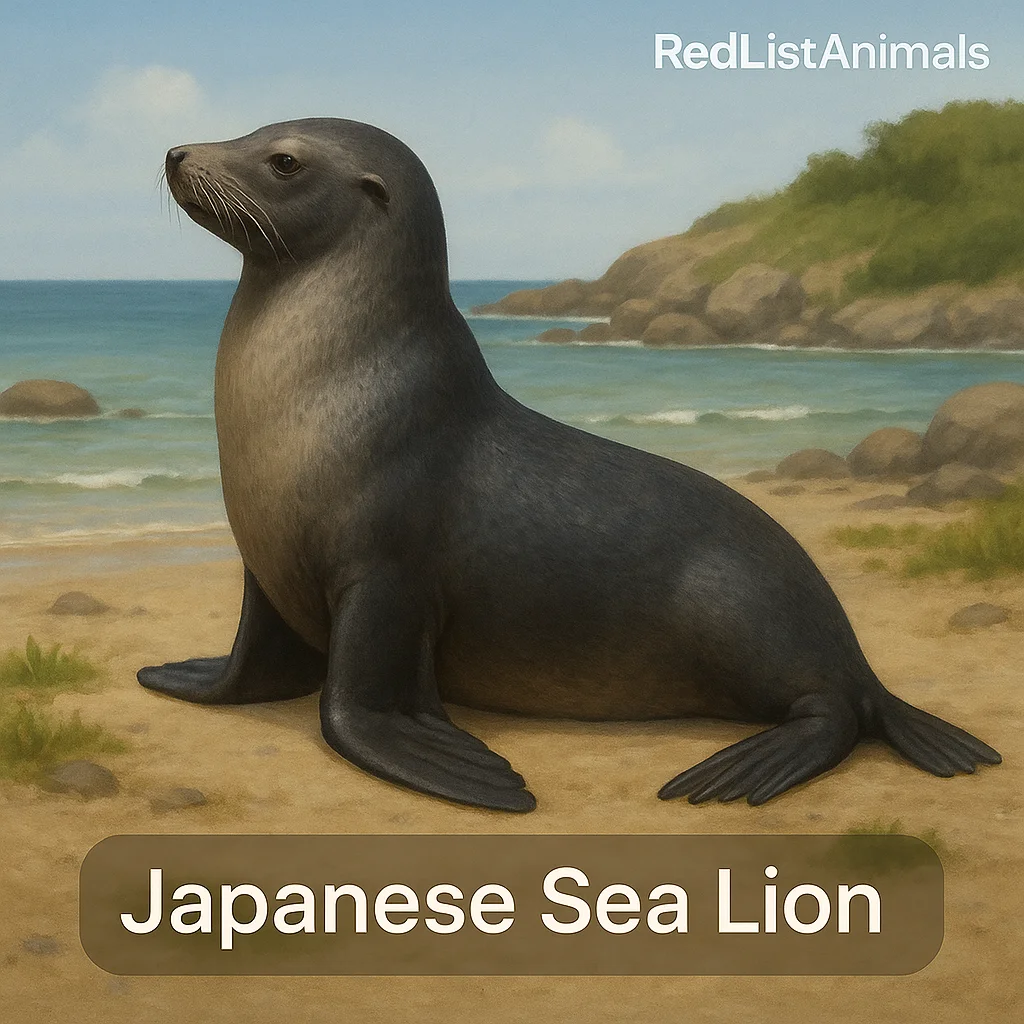
Its closest living relatives include sea lions and seals, such as the California sea lion and the Steller sea lion, known for their similar body structures and behaviors.
This article will explore the habitat, daily life, unique traits, and reasons behind the disappearance of the Japanese sea lion, as well as the evidence and potential conservation lessons for the future.
🧭 Where It Lived
The Japanese sea lion primarily inhabited the Sea of Japan, with its range extending along the coasts of the Japanese islands and occasionally as far as Korea and Sakhalin. Its presence was most noted around the northern and central regions of Japan.
These sea lions were dependent on coastal and marine habitats, such as sandy beaches and rocky outcrops, where they would haul out for resting and breeding. The temperate waters around these regions provided a suitable environment for their survival.
Being island-limited increased the Japanese sea lion's risk of extinction. Smaller geographic ranges often face greater threats from human activities and natural events, with limited options for species to relocate.
🌿 Habitat and Daily Life
The climate of the Japanese sea lion's habitat was temperate, with warm summers and cold winters. Rainfall varied throughout the year, influencing the availability of food resources in the ocean.
Their diet consisted primarily of fish and squid, which they hunted in the coastal waters. Foraging involved diving and using their sensitive whiskers to detect prey in murky environments.
The Japanese sea lion was a social animal, often seen in groups, particularly during the breeding season when males competed for territories and females cared for their young. Pups were born after a gestation period of about eleven months and were nursed by their mothers for several months.
Interaction with other marine species included both competition for food and being preyed upon by larger predators such as orcas and large sharks.
🧬 What Made It Unique
Japanese sea lions were recognizable by their substantial size, reaching lengths of up to 2.5 meters (8 feet), with males being larger than females. Their fur ranged from dark brown to a slightly grayer hue, aiding camouflage in the ocean waters.
Their ability to navigate large distances and dive deep for food was facilitated by their physical adaptations, including strong flippers and streamlined bodies.
Historically, the Japanese sea lion held cultural significance in coastal communities, where it was sometimes hunted for its oil, meat, and skin. Such practices, while culturally valuable, contributed to their decline when done unsustainably.
⏳ When It Disappeared
The last confirmed records of the Japanese sea lion date back to the mid-20th century, with some credible sightings continuing into the 1950s. By the 1970s, comprehensive surveys failed to locate any remaining individuals, leading scientists to declare the species extinct.
Some uncertainty exists due to sporadic unverified sightings and the elusive nature of marine species. However, the consensus is that the Japanese sea lion was functionally extinct by the late 20th century.
Species are classified as "extinct" when there is no reasonable doubt that the last individual has died, following extensive surveys in their historical ranges.
⚠️ Why It Went Extinct
The extinction of the Japanese sea lion was driven by several factors. The primary cause was overhunting, as they were extensively targeted for their valuable products, leading to drastic population declines.
Habitat loss and fragmentation also played a role as increased human activity along coastlines altered their natural environments, reducing safe hauling out sites.
Pollution and competition from fisheries, which depleted their food sources, further compounded their struggles to survive and reproduce successfully.
The introduction of invasive species, although less documented, may have posed additional threats like competition for resources.
🧩 How We Know (Evidence and Records)
Evidence of the Japanese sea lion’s existence comes from various sources including museum specimens, historical photographs, and field notes from early naturalists.
Scientists rely on such evidence to verify the identity and dates associated with sightings using modern genetics and comparative analyses with related species.
Challenges in confirming extinction often arise from the difficulty of surveying remote or hard-to-access habitats, where some species might still be hiding.
🛡️ Could It Have Been Saved
Several conservation measures could have potentially saved the Japanese sea lion, such as establishing protected marine reserves to limit hunting and preserve habitats.
Limiting fisheries within their range could have reduced competition for food, increasing survival chances. Late conservation efforts often faced logistical challenges and lack of time.
Unfortunately, most actions that could have halted the decline were only considered when populations were already critically low.
🔁 Are There Any Survivors or Close Relatives Today
The closest living relatives of the Japanese sea lion include the California sea lion and the Steller sea lion. These species share many physical and behavioral traits, such as social structures and diet preferences.
While there are no attempts to reintroduce the Japanese sea lion specifically, lessons from their extinction inform conservation practices for other vulnerable marine species.
❓ Common Questions and Misconceptions
- Was it hunted to extinction? Yes, hunting was a major factor through overexploitation for commercial purposes.
- Why didn’t it adapt or move? Limited opportunities for relocation and rapid environmental changes hindered adaptation.
- Could it still be alive somewhere? While sporadic sightings spark hope, extensive surveys have found no evidence.
- What does 'declared extinct' actually mean? It means no individuals have been found despite thorough searches in historical ranges.
- What is the difference between endangered and extinct? Endangered means facing a high risk of extinction; extinct means no individuals exist anymore.
- Why are island species so vulnerable? Limited ranges and resources make them more susceptible to changes and threats.
📌 Summary
- A marine mammal native to the Sea of Japan.
- Inhabited coastal and marine environments in temperate climates.
- Specialized diet of fish and squid, with group social structures.
- Known for its large size and adaptability to ocean life.
- Last recorded sightings occurred in the mid-20th century.
- Main extinction causes: overhunting, habitat loss, pollution.
- Evidenced through museum specimens and historical records.
- Closest relatives are other sea lion species like the California sea lion.
- Conservation could have benefited from habitat protection and regulated hunting.
- A key lesson: the importance of timely conservation to prevent irreversible loss.
- Remember: Protecting habitats protects the species within them.