🏞️ How Invasive Species Wipe Out Island Invertebrates
🌍 What It Was
Invertebrates are animals without a backbone, making up a vast majority of all animal species. They include insects, spiders, worms, mollusks, and crustaceans. Island invertebrates are particularly interesting because they often evolve unique traits due to their isolated environments.
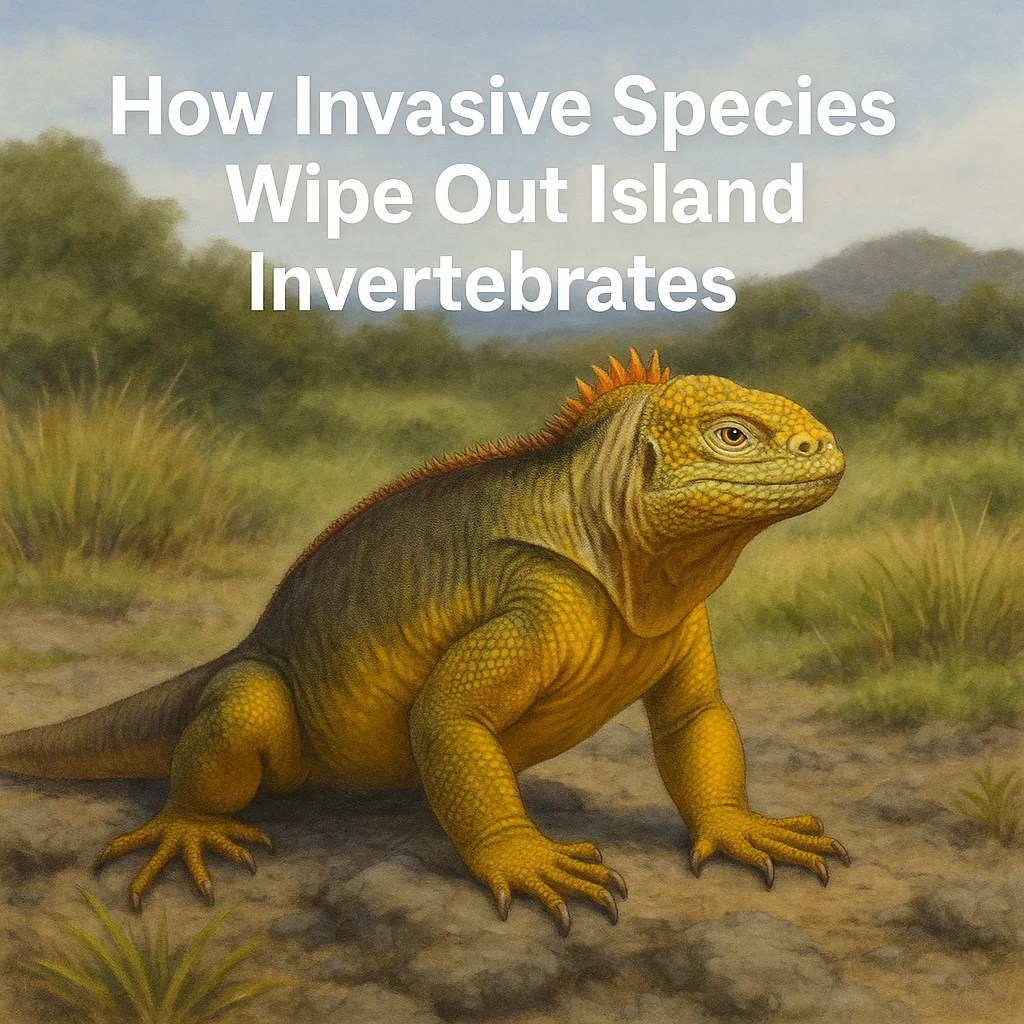
These creatures can range from tiny insects to larger species like land crabs. Some of the closest living relatives to many extinct island invertebrates can be found on mainland regions, where they often exist in larger numbers.
In this article, you will learn about the natural habitats of island invertebrates, the factors contributing to their extinction, and the particular role invasive species play in this ecological crisis.
🧭 Where It Lived
Island invertebrates were primarily found in isolated island habitats, ranging from the Galapagos Islands to the Hawaiian archipelago and beyond. These locations provided unique ecological niches that were not found elsewhere.
The habitats of island invertebrates were diverse, including tropical forests, sandy beaches, and wetlands. Each of these environments offered distinct resources necessary for their survival, making them specialized to their homes.
Because islands are isolated, the species living there often can't move to new habitats easily, increasing their risk when conditions change. This isolation could mean that a single invasive species could negatively impact the entire ecosystem.
🌿 Habitat and Daily Life
The climate of island habitats varied but often featured mild temperatures and consistent rainfall, supporting lush vegetation and biodiversity. This environment created ideal conditions for invertebrates to find shelter and food.
Island invertebrates had diverse diets, often consisting of leaves, fruit, or smaller insects. Their diet influenced their behavior, with some species foraging during the day while others were nocturnal.
Reproduction among island invertebrates could vary; some species laid eggs, while others carried live young. Interactions with other species ranged from predation to symbiotic relationships that helped maintain ecological balance.
🧬 What Made It Unique
Island invertebrates evolved a range of physical traits, such as vibrant colorations and specialized sensory adaptations. These adaptations allowed them to exploit their unique environments successfully.
Some island invertebrates played specific roles in their ecosystems, like pollinating native plants or controlling pest populations. These roles were crucial for maintaining the ecological patterns that supported numerous other species.
In some cultures, these invertebrates held symbolic or economic significance, often being featured in local folklore or used in traditional practices without romanticizing their roles.
⏳ When It Disappeared
Many island invertebrates have gone extinct over various periods, often with their last confirmed sightings in the 20th or 21st centuries. Scientific confirmation of extinction is challenging due to the often small and cryptic nature of these creatures.
Uncertainties in the timeline are common, with missing records and misidentifications complicating efforts. Sometimes, a species is declared "extinct in the wild" when it no longer exists in its natural habitat but survives in captivity.
Conclusive declarations of extinction are often made after extensive, unsuccessful surveys in their known habitats over many years.
⚠️ Why It Went Extinct
The extinction of island invertebrates is often due to a combination of factors. Habitat loss from human development and agriculture leads to fragmentation that isolates populations and reduces genetic diversity.
Overexploitation through collection for trade or research can rapidly decrease population numbers, especially for species with specialized roles or high market value.
Invasive species, such as rats or insect pests, can predate on invertebrates or outcompete them for resources, disrupting the ecosystem balance. Disease and climate shifts further stress these populations, while pollution can alter habitats, making them unsuitable for survival.
🧩 How We Know (Evidence and Records)
The evidence for extinct island invertebrates includes fossils, subfossils, and museum specimens. These physical records provide insight into their former existence and help verify their identity.
Scientists also rely on field notes, photographs, and oral histories to shape a more comprehensive understanding of these species. Genetic analysis can offer additional information when physical records are incomplete or damaged.
Some species are particularly challenging to confirm due to their elusive nature, remote habitats, or nocturnal behaviors, requiring advanced techniques to gather sufficient evidence.
🛡️ Could It Have Been Saved
Various conservation actions might have prevented the extinction of island invertebrates. Protecting habitats, controlling invasive species, and enforcing hunting limits could have helped sustain these populations.
However, conservation efforts often faced delays due to limited resources or lack of awareness about the species' necessity to the ecosystem. In some cases, captive breeding and reintroduction were attempted, albeit with mixed success.
The timing of interventions is crucial; late actions often could not reverse declines, pointing to the need for early and proactive conservation strategies.
🔁 Are There Any Survivors or Close Relatives Today
Many extinct island invertebrates have closely related species on mainland regions or other islands, sharing similar ecological roles. For instance, related insects or mollusks may exist in different geographic areas.
In some cases, ecological replacements—species introduced or naturally migrating to take on similar roles—help maintain ecosystem stability. These replacements often adapt to existing conditions, filling the niches left vacant.
Reintroduction programs are rare for invertebrates due to the complexity and cost, but some limited efforts focus on rebuilding populations in managed habitats.
❓ Common Questions and Misconceptions
Was it hunted to extinction? Not directly, but overcollection contributed to population declines.
Why didn’t it adapt or move? Island species often have limited adaptability and nowhere else to move.
Could it still be alive somewhere? It is unlikely, but new discoveries can occasionally surprise scientists.
What does 'declared extinct' actually mean? It refers to a species confirmed as no longer existing after extensive searches.
What is the difference between endangered and extinct? Endangered means at high risk of extinction; extinct means it no longer exists.
Why are island species so vulnerable? Their specialized adaptations and isolated habitats make them more susceptible to changes.
📌 Summary
- Island invertebrates include a range of species like insects and mollusks.
- They lived in isolated island habitats with unique ecological roles.
- Their habitats varied, often including forests, beaches, and wetlands.
- Diverse diets included leaves, fruits, and smaller insects.
- Unique adaptations evolved in response to isolated environments.
- Last known sightings often occurred in the 20th and 21st centuries.
- Multiple extinction drivers include habitat loss and invasive species.
- Evidence types include fossils, museum specimens, and genetic studies.
- Closest living relatives often found in mainland or other islands.
- Conservation efforts require early intervention for effectiveness.
- The role of invasive species is a critical lesson in extinction science.