🏞️ Rats, Cats, and Ground-nesting Birds
🌍 What It Was
Rats, cats, and ground-nesting birds are part of a complex ecological narrative involving extinction science. Ground-nesting birds, which use the ground for nesting and laying eggs, are an essential component of diverse ecosystems. These birds can range from small, inconspicuous species to large, charismatic ones that are strikingly beautiful.
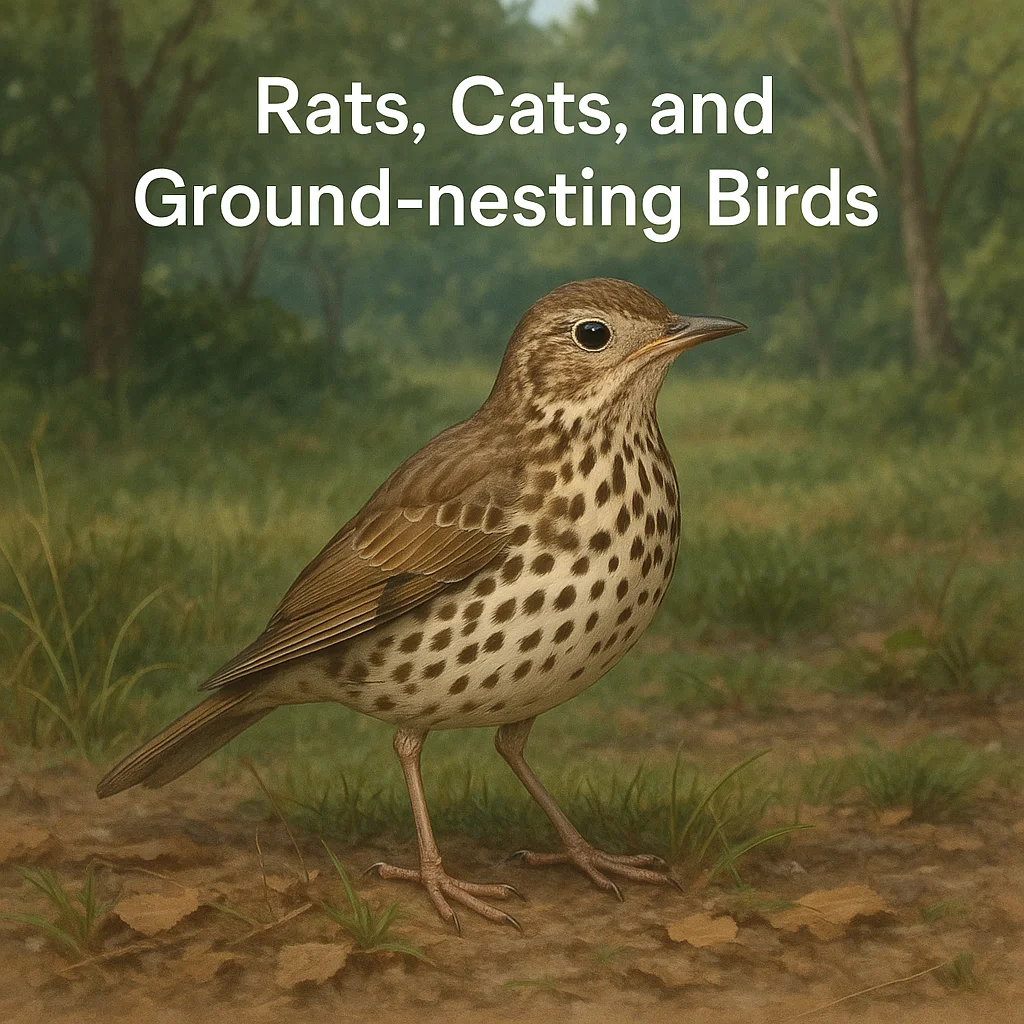
Closest living relatives of many extinct ground-nesting birds include various species of birds that still survive today, such as certain types of plovers, rails, and quails. These birds play a critical role in the ecosystem by controlling insect populations and spreading seeds, among other ecological functions.
Through this article, readers will explore the habitats these birds once thrived in, their behaviors, the reasons behind their extinction, and what it teaches us about conservation in today's world.
🧭 Where It Lived
Ground-nesting birds were once found across various parts of the world, with many species endemic to specific islands or regions. Island environments often hosted unique species of ground-nesting birds, as these environments offered isolated ecological niches for them to evolve and thrive.
These birds were commonly found in regions like Oceania, sub-Saharan Africa, and various archipelagos around the globe. Islands in particular provided these birds with fewer predators, which made ground-nesting a successful strategy until the introduction of predators by humans.
The birds depended on a variety of habitats, including forests, grasslands, and wetlands. These habitats supported the birds by providing ample food resources and suitable nesting grounds. However, many ground-nesting birds were highly localized due to their specialized habitat requirements, which left them vulnerable to habitat destruction and change.
🌿 Habitat and Daily Life
Ground-nesting birds inhabited environments with diverse climates, ranging from tropical regions with distinct wet and dry seasons to temperate zones with varying temperatures throughout the year. Availability of food and water resources often defined the distribution and daily activities of these birds.
The diet of ground-nesting birds typically consisted of insects, small vertebrates, seeds, and fruits. Their foraging style often involved walking or running along the ground to find food, making them susceptible to predators.
During the breeding season, these birds would lay eggs in nests built directly on the ground. They often relied on camouflage to protect their nests from predators. Some species engaged in intricate courtship displays and had elaborate parental care tactics. These birds played an important role in their ecosystems by controlling insect populations and aiding in seed dispersal.
🧬 What Made It Unique
Ground-nesting birds displayed a variety of sizes, colors, and adaptations that were unique to their environments. Their plumage often provided excellent camouflage, blending with the environment to avoid detection by predators.
Many ground-nesting birds had keen eyesight and hearing, adaptations that helped them detect potential threats. Ecologically, they contributed significantly to their environment by maintaining insect populations and aiding in plant pollination and seed dispersal.
Some ground-nesting birds held cultural significance in indigenous cultures, symbolizing beauty, adaptability, or fertility. In some regions, they were used in traditional stories and symbols of local identity, although their ecological value is universally acknowledged.
⏳ When It Disappeared
The timeline of decline for ground-nesting birds varies across species, but many faced their final extinction events in the late 1800s to the early 1900s. For some, the last confirmed records were supplemented with unverified sightings that led to continued hope for rediscovery.
Declaring a species extinct involves rigorous scientific evaluation, requiring comprehensive surveys and habitat assessment. The potential for misclassification or misidentification means that extinction declarations are made carefully.
In some cases, species are classified as "Extinct in the Wild", meaning individuals may survive in captivity but can no longer sustain a wild population. This status can lead to focused conservation efforts for potential reintroduction if the right conditions are met.
⚠️ Why It Went Extinct
The extinction of many ground-nesting birds was primarily driven by multiple interrelated factors. The introduction of invasive species such as rats and cats was one of the critical causes. These predators preyed on eggs and young birds, significantly impacting survival rates.
Habitat loss and fragmentation were also significant factors. As human activities transformed the landscape for agriculture, urban development, and other purposes, the birds' habitats were diminished or degraded.
Climate changes, including extreme weather events, have been known to alter habitats adversely, further challenging the existence of these birds. Additionally, some populations faced challenges from overhunting, leading to declining numbers.
🧩 How We Know (Evidence and Records)
Evidence of extinct ground-nesting birds comes from various sources, including fossils, subfossils, museum specimens, field notes, and oral histories. These records provide insights into the species' characteristics, distributions, and timelines.
Scientists use techniques such as radiocarbon dating to determine the age of fossils and subfossils, while DNA analysis helps verify species identity and genetic relationships to existing species.
Many species are challenging to confirm due to their previous rarity, elusive nature, or habitation of remote areas. As such, determining extinction requires comprehensive survey efforts and careful examination of historical records.
🛡️ Could It Have Been Saved
Conservation actions that might have helped these ground-nesting birds include habitat protection, the establishment of protected areas, and control of invasive species such as rats and cats. Implementing hunting limits and supporting breeding programs could have been beneficial strategies.
Trade-offs in conservation efforts often arise from resource constraints, competing human interests, and the complexity of coordinating effective interventions. In many instances, conservation action came too late, as populations had already been severely diminished.
Late-stage conservation efforts, when attempted, struggled against the overwhelming challenges of limited remaining populations and widespread habitat degradation, highlighting the need for proactive measures elsewhere.
🔁 Are There Any Survivors or Close Relatives Today
Today, the closest living relatives of many extinct ground-nesting birds include surviving species of quails, rails, and certain shorebirds. These birds share similar ecological roles and physical characteristics with their extinct relatives.
Some conservation programs aim to restore their ecological roles by supporting similar species in their habitats. Although not direct replacements, these surviving species can help maintain ecological balance.
Reintroduction and captive breeding programs have been implemented for certain species, seeking to increase population numbers and establish sustainable wild populations, although success varies depending on environmental factors and available resources.
❓ Common Questions and Misconceptions
Was it hunted to extinction? While hunting contributed to declines, it was not usually the sole cause of extinction for ground-nesting birds.
Why didn’t it adapt or move? Ground-nesting birds often lacked the ability to rapidly adapt or relocate due to their specialized habitats or limited mobility.
Could it still be alive somewhere? While possible for some, detailed surveys and lack of credible sightings usually support the extinction designation.
What does "declared extinct" actually mean? This declaration occurs after exhaustive surveys fail to find evidence of survival despite reasonable search efforts.
What is the difference between endangered and extinct? Endangered species still have some members alive but are at high risk of extinction, while extinct species have no living individuals.
Why are island species so vulnerable? Island species often face limited ranges and lack defenses against introduced predators, making them highly susceptible to extinction.
📌 Summary
- Ground-nesting birds played a crucial role in diverse ecosystems.
- They lived across various regions like Oceania and other islands.
- Inhabited forests, grasslands, and wetlands with specialized needs.
- Diet included insects and seeds, foraging was ground-based.
- Unique adaptations included camouflage and keen senses.
- Many disappeared primarily from the late 1800s to early 1900s.
- Extinction drivers included invasive species and habitat loss.
- Evidence comes from fossils, field notes, and museum specimens.
- Closest relatives include quails and rails with similar traits.
- Importance of proactive conservation measures highlighted.
- Reintroduction and breeding efforts have seen varying success.