🏞️ Invasive Plants That Reshape Habitats
🌍 What It Was
Invasive plants are species that have been introduced into environments where they do not naturally occur. These plants often spread quickly and have the ability to cause significant changes to ecosystems. They can alter habitats by outcompeting native species for resources such as sunlight, water, and nutrients.
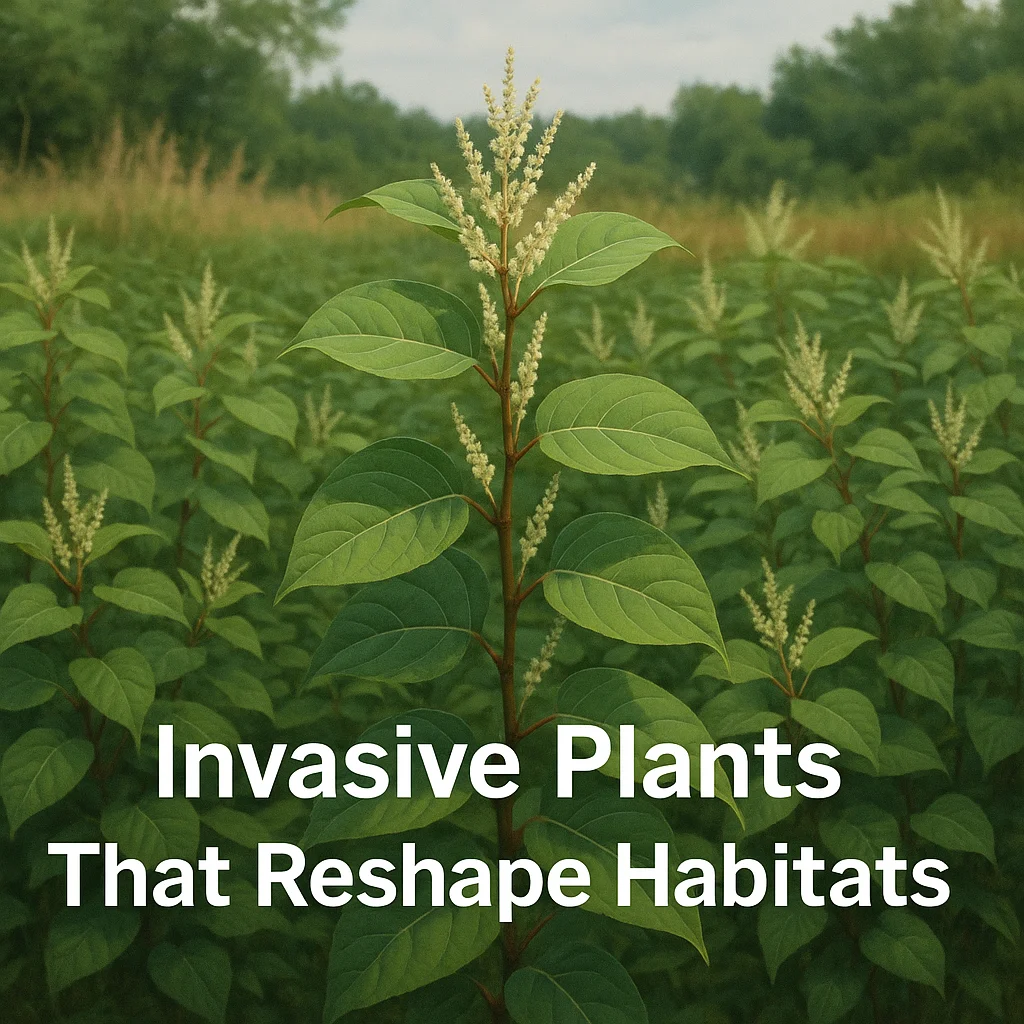
Many invasive plants were introduced by humans, whether intentionally or accidentally, and have no natural predators in their new environments. This allows them to proliferate unchecked, often leading to drastic changes in the landscape and ecosystem functions.
This article will explore the characteristics of invasive plants, where they are commonly found, and their impact on native habitats, as well as preventative measures and restoration efforts.
🧭 Where It Lived
Invasive plants can potentially thrive in a wide range of geographic regions across the globe. They are not limited to specific continents or countries, which is part of what makes them so challenging to manage.
These plants can be found in diverse habitats, including grasslands, forests, wetlands, and coastal areas. Each type of habitat provides a unique set of conditions that an invasive plant can exploit.
Isolated environments, like islands, are especially vulnerable to invasive plants. The flora and fauna on islands often evolve in isolation, without the pressures of competition or predation from outside species. When invasive plants are introduced, they can quickly dominate these ecosystems, sometimes leading to the extinction of endemic species—those found nowhere else in the world.
🌿 Habitat and Daily Life
Invasive plants are adaptable and can thrive in various climates, from temperate to tropical regions. They often have a wide tolerance for different temperatures and precipitation patterns, allowing them to survive in several environments.
These plants are typically efficient at absorbing nutrients and water, often outcompeting native species. Their reproduction strategies, such as producing a large number of seeds or having the ability to sprout from cuttings, also enhance their ability to spread rapidly.
Interaction with native wildlife can be complex; invasive plants may not provide suitable shelter or food for local species, disrupting established food webs and ecological relationships. They can also modify the environment enough to make it uninhabitable for certain native plants and animals.
🧬 What Made It Unique
Invasive plants possess key physical traits that enable them to succeed in new environments, such as fast growth rates, high seed production, and efficient nutrient use. Some species can alter their growth form in response to different conditions, which adds to their adaptability.
Their capacity to change habitats comes from being able to withstand and thrive under various conditions that would deter others, often resulting from a broad range of genetic variance within populations. This gives them a significant edge over less adaptable native species.
Culturally, invasive plants might be inadvertently transported due to their aesthetic appeal, leading to unintended ecological consequences when they escape cultivation.
⏳ When It Disappeared
While individual invasive plant species may not go extinct globally, they can be eradicated or controlled successfully in specific regions. This involves concerted efforts over years or decades to manage and remove these species from affected habitats.
The timeline of eradication often includes phases of monitoring, control measures, and ongoing evaluation to ensure the plant does not regain a foothold.
Documenting these efforts provides crucial lessons for managing other invasions and restoring ecosystems, showing both the feasibility and challenges of dealing with invasive species.
⚠️ Why It Went Extinct
In some cases, invasive plants can drive extinctions of native species by altering their habitats beyond recognition. This causes a cascading effect on entire ecosystems.
Key factors contributing to their spread include human activities like global trade and travel, climate change, and habitat disturbances. These create ideal conditions for invasive species to establish themselves and outcompete native flora.
The multi-faceted nature of plant invasions shows that solutions must also be comprehensive, involving stakeholders from government bodies, conservation groups, and local communities.
🧩 How We Know (Evidence and Records)
Tree ring analysis, sedimentary records, and satellite imagery are among the tools used by scientists to understand the impact and spread of invasive plants over time. Herbarium specimens provide historical records of past locations and conditions.
Field studies document the effects of invasive plants by comparing ecosystems before and after their introduction. Genetic analysis helps confirm the identity and origin of invasive species, informing management strategies.
Ensuring accurate data is critical, as misidentifications can lead to ineffective control measures and hinder conservation efforts.
🛡️ Could It Have Been Saved
Effective management and control of invasive plants are crucial for preserving native biodiversity. Strategies like physical removal, biological control using natural predators, and restoration of native species can mitigate their impact.
However, prevention is often more feasible than eradication once an invasive plant is established, highlighting the need for robust biosecurity measures.
Public education on the threats posed by invasive plants and involvement in local conservation initiatives also contribute significantly to managing these species.
🔁 Are There Any Survivors or Close Relatives Today
Many invasive plants have closely related native species or origins in different regions where they do not pose a threat. These natives can provide insights into managing their invasive counterparts through ecological studies.
Ecological replacements, or species that fulfill similar roles in an ecosystem, might restore balance if invasive plants are controlled, although they seldom replicate the exact ecological functions of the displaced species.
Selective breeding and genetic study of native relatives might also offer potential solutions to improve ecosystem resilience against invasive threats.
❓ Common Questions and Misconceptions
Was it hunted to extinction? Invasive plants are not "hunted" in the traditional sense; their persistence depends on environmental factors and human intervention.
Why didn’t it adapt or move? Unlike animals, plants cannot physically relocate. Instead, they spread through seeds or runners, often creating significant ecological displacement for stationary native plants.
Could it still be alive somewhere? Invasive plants often remain unnoticed until they become problematic, making initial detection crucial for effective management.
What does "declared extinct" actually mean? This term is not usually applicable to invasive plants; control rather than extermination is the typical goal.
What is the difference between endangered and extinct? Endangered plants are at risk of extinction, often because of invasives, while extinct species no longer exist in their natural environments or globally.
Why are island species so vulnerable? Island species evolved in isolation, often lacking defenses against fast-growing invasive plants which can quickly alter their habitats.
📌 Summary
- Invasive plants are species introduced to environments outside their natural range.
- Found globally, they impact diverse habitats like forests and grasslands.
- They outcompete native plants for resources, altering ecosystems.
- Adaptable to a range of climates, they reproduce prolifically.
- They have few natural predators in new environments, aiding spread.
- Successful eradication is often local rather than global.
- Main extinction drivers include human activity and ecosystem disruption.
- Scientific evidence from field studies and genetics informs management.
- Native relatives often provide insights for controlling invasives.
- Conservation emphasizes prevention and informed public engagement.
- Recognizing invasive plants' impacts can drive ecosystem restoration efforts.