🏞️ Invasive Pathogens as “Hidden” Invaders
🌍 What It Was
Invasive pathogens are microorganisms such as bacteria, fungi, and viruses that are not native to an environment but have been introduced, often through human action. These pathogens can infect plants and animals, disrupting ecosystems and sometimes leading to large-scale extinctions. Unlike more visible invasions by animals or plants, pathogens invade unnoticed, earning them the term "hidden" invaders.
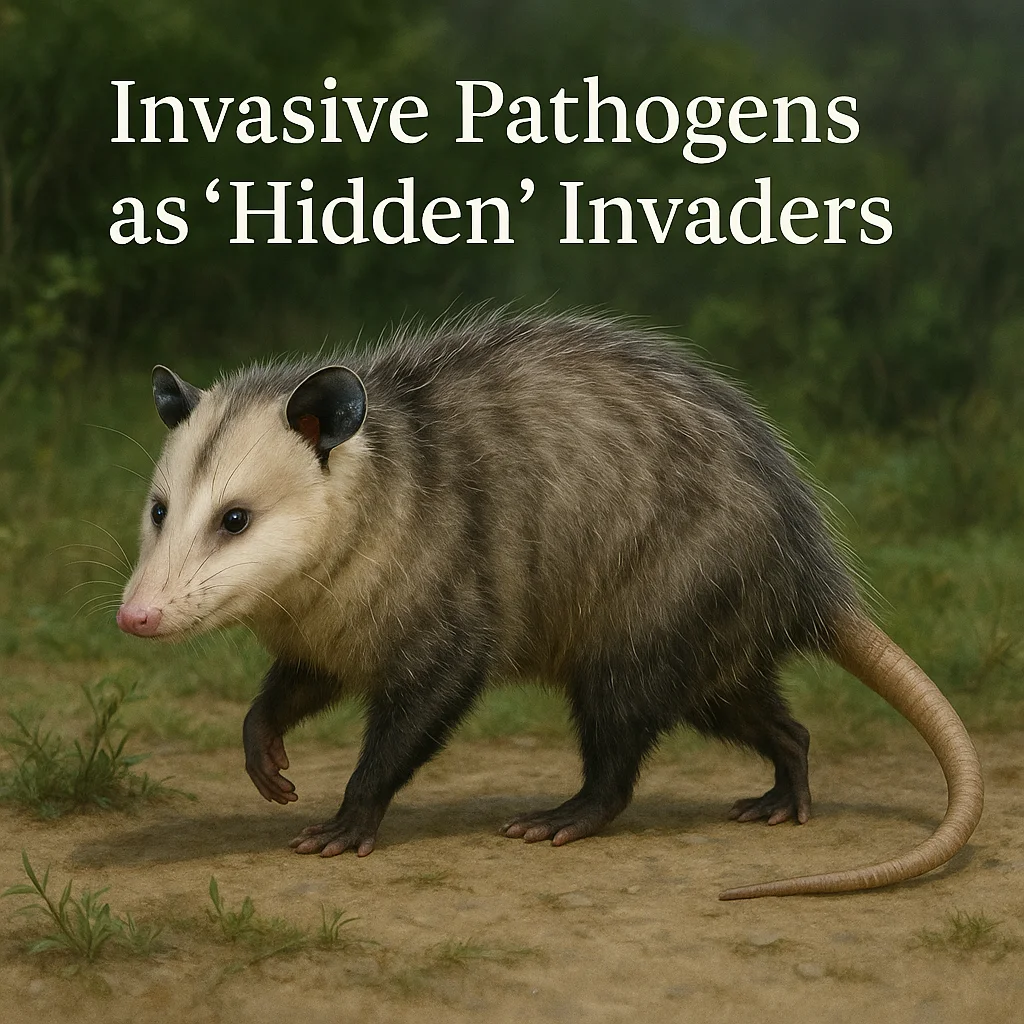
Invasive pathogens are particularly dangerous because they can affect a wide range of native species. For example, they can cause diseases that native species have no immunity against, leading to rapid declines in populations. These pathogens play a critical role in ecosystems by altering species interactions and changing the balance of ecosystems.
In this article, we will explore the habitats where invasive pathogens thrive, how they interact with other species, what makes them unique as invaders, and why they lead to extinctions. We will also discuss evidence and records of their impact and consider whether anything could have been done to avert the extinctions they caused.
🧭 Where It Lived
Invasive pathogens can live virtually anywhere in the world. They often arrive in new regions through human transportation, whether on the hulls of ships, in cargo, or through the global movement of materials and products. Once introduced, they spread in diverse environments including forests, grasslands, wetlands, and agricultural fields.
These pathogens thrive in various climates, showing particular resilience in changing temperatures and conditions. Habitats where they become established are often marked by susceptible native species lacking defenses against the new pathogens. Wetlands and forests, with their rich biodiversity, can be especially vulnerable.
The risk of pathogen invasion is heightened in island environments. Islands often have unique ecosystems and species that have evolved in isolation. When pathogens arrive, the lack of natural defenses in such species can lead to rapid declines and even extinction.
🌿 Habitat and Daily Life
In their native habitats, pathogens often maintain a balance with local species, where co-evolved native species might have some immunity or resistance to them. However, when introduced to new environments, this balance is disrupted. The climate conditions, including temperature and rainfall, can influence the spread and intensity of pathogen invasions.
For invasive pathogens, reproduction can be swift. Many pathogens have short life cycles, allowing them to multiply rapidly in suitable conditions. This exponential growth can lead to outbreaks that overwhelm native species populations, resulting in widespread mortality and ecosystem changes.
In terms of ecological interactions, invasive pathogens can weaken or kill hosts, which are usually plants or animals. This not only affects the host species but also influences predators relying on those species, causing ripple effects through the food web and changing the ecological balance.
🧬 What Made It Unique
Invasive pathogens are unique because they are often invisible yet highly impactful. These microorganisms can range from minute fungi affecting plant leaves to lethal bacteria in amphibian populations. Their invisibility and rapid reproduction make them particularly dangerous and difficult to control once established in a new environment.
Unlike larger predators or competing species, pathogens don't need to confront their hosts directly. Their ability to spread quickly and silently, combined with the lack of defenses in new environments, allows them to devastate local populations. In some cultures, the profound impacts of disease have been historical, as seen with the introduction of diseases to indigenous human populations of the Americas.
⏳ When It Disappeared
Extinction events caused by invasive pathogens can sometimes go unnoticed until populations are severely depleted or entirely gone. The timeline for such events can be difficult to pinpoint precisely, as pathogens often spread quietly before a crisis becomes apparent.
For example, researchers think amphibian populations globally have been impacted by the chytrid fungus, which was first identified as a significant threat in the late 20th century. Confirming such extinction events involves examining historical records, field surveys, and sometimes genetic studies.
In many cases, once native species have been reduced to functional extinction, where they can no longer play their role in the ecosystem, they may be declared extinct. Invasive pathogens are often part of multi-causal extinction scenarios, further complicating precise timelines.
⚠️ Why It Went Extinct
The primary drivers of extinctions due to invasive pathogens include habitat loss, diseases, and climate shifts. Unlike other forms of habitat disturbance, pathogens can penetrate even seemingly pristine habitats, establishing themselves and spreading disease among native species.
In the case of disease, invasive pathogens introduce new health challenges for native species, which may lack any immunity. This lack of defense mechanisms can lead to rapid and widespread mortality. Some pathogens additionally thrive due to climate changes, as shifts in temperature and precipitation patterns create favorable conditions for their proliferation.
While human involvement in spreading these pathogens is a contributing factor, the interactions among different ecological drivers often create scenarios where the path to extinction involves complex, interrelated causes.
🧩 How We Know (Evidence and Records)
The evidence of extinctions due to invasive pathogens includes a variety of sources, such as field surveys, historical records, and genetic analysis. Scientists use these records to assess species declines and confirm pathogen presence in affected areas.
Fossil and subfossil records provide insights into species that have disappeared and contribute to understanding the chronological sequence of disappearance. Museum specimens and genetic analysis can help verify the identity of species and investigate population genetic diversity before and after infection outbreaks.
Oral histories and field notes can offer valuable information, particularly where scientific records are scarce. However, confirming extinctions can be challenging if species were already rare, nocturnal, or occupying remote locations.
🛡️ Could It Have Been Saved
Conservation actions that might have helped protect against invasive pathogens include habitat protection, strict biosecurity measures, and early pathogen detection systems. In some cases, controlled captive breeding or quarantine of uninfected populations could have been feasible interventions.
However, trade-offs and challenges remain, such as the delay in recognizing and responding to the threat of an invisible pathogen, limited resources, and sometimes conflicting conservation efforts. Yet, with heightened awareness and advocacy, these measures can help mitigate future pathogen impacts.
In cases where conservation actions were attempted late, they were often insufficient against the rapid spread and impact of invasive diseases. Current efforts focus on improving detection technology and international cooperation to prevent future invasions.
🔁 Are There Any Survivors or Close Relatives Today
In some instances, close relatives of species affected by invasive pathogens continue to exist. For example, despite significant declines in amphibian populations due to chytrid fungus, some species have shown resilience, and efforts are underway to study these resistant populations.
Ecological replacements, species that assume similar roles in the ecosystem, may also emerge in the aftermath of extinctions. However, these replacements may not entirely fulfill the unique ecological roles of the extinct species.
Some regions have initiated captive breeding programs to conserve at-risk populations and try to reintroduce species back into the wild, though success can vary widely depending on numerous environmental and biological factors.
❓ Common Questions and Misconceptions
Was it hunted to extinction? Invasive pathogens usually cause extinctions through disease rather than direct hunting, though habitat changes from human activities often contribute.
Why didn’t it adapt or move? Species often lack time to develop resistance to newly introduced pathogens and may be unable to relocate rapidly due to habitat fragmentation.
Could it still be alive somewhere? In certain instances, small populations may survive in isolated regions, though verification is crucial to confirm persistence.
What does 'declared extinct' actually mean? It signifies that exhaustive surveys have failed to locate any individuals in areas where the species was previously found.
What is the difference between endangered and extinct? Endangered species are those at risk of extinction, while extinct species have no remaining living individuals.
Why are island species so vulnerable? Island species often evolve in isolation with fewer predators and competitors, making them less resilient to rapid changes such as invasive pathogens.
📌 Summary
- Invasive pathogens are microorganisms causing disease in non-native regions.
- They can inhabit any global region introduced to human activities.
- Favored habitats include forests and wetlands with rich biodiversity.
- They spread quickly, impacting native species lacking immunity.
- Key adaptations include invisibility and rapid reproduction.
- Significant extinction events occurred mainly in the late 20th century.
- Main extinction drivers include disease, climate change, and habitat loss.
- Evidence includes fossils, specimens, and historical records.
- Some resistant species or ecological replacements may persist.
- Conservation requires early detection and international cooperation.
- Invasive pathogens exemplify hidden threats in ecosystems.