🏞️ Eradication Programs: What Works (and What Doesn’t)
🌍 What It Was
Eradication programs have become increasingly significant in global conservation efforts, primarily targeting introduced species that threaten native biodiversity. These animals, often referred to as invasive species, can include anything from small insects to large mammals. They are not native to the regions in which they are found and can cause extensive ecological or economic harm.
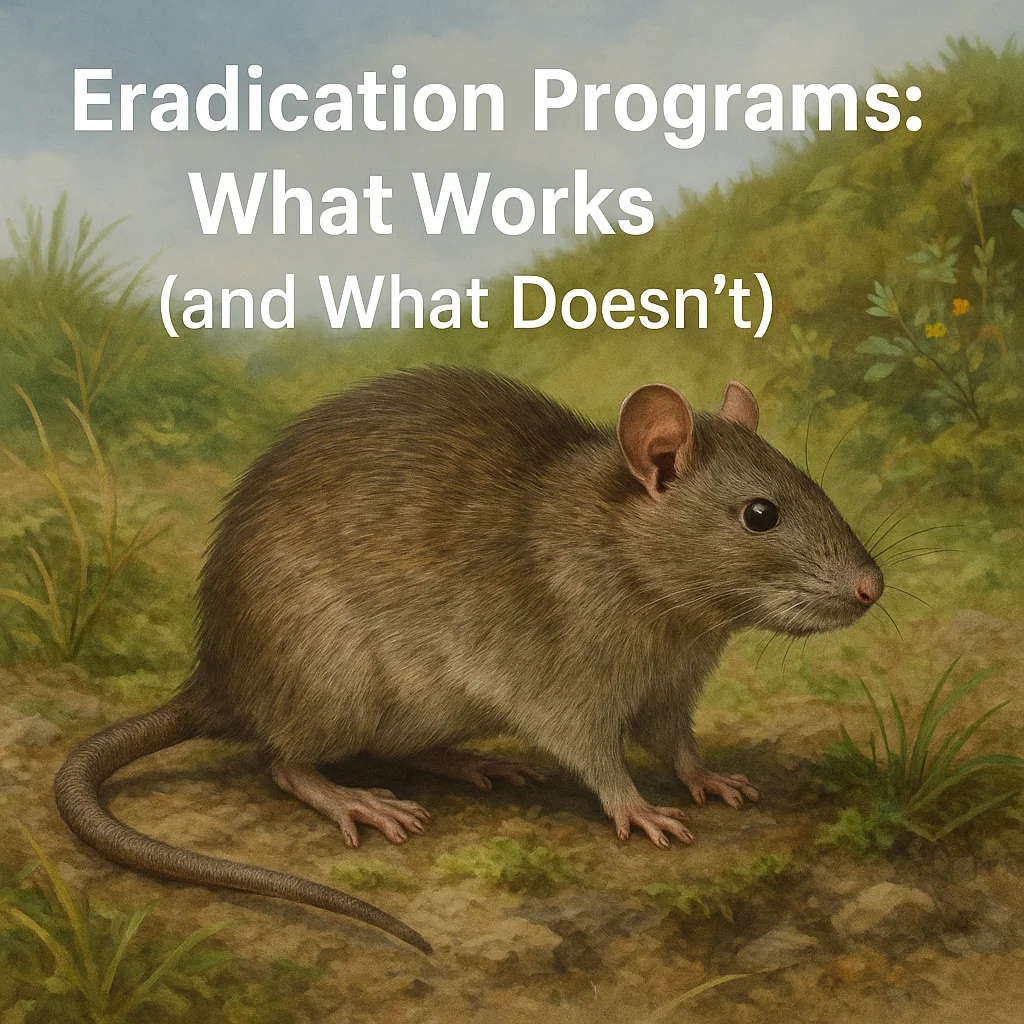
The reasons these species become a problem are varied and complex. Some invasive species have close living relatives in their new habitats, leading to competition for resources that often leaves native species at a disadvantage. Others may fit into ecosystems without direct analogs, lacking natural predators or checks on their population.
In this article, readers will gain insights into where these invasive species are commonly found, how they interact in their new environments, the impact they have on biodiversity, and the measures taken to manage or eliminate their presence.
🧭 Where It Lived
Invasive species have made their mark globally, but certain regions are more affected than others. Island ecosystems, for instance, are particularly vulnerable. Islands like those in the Pacific and the Caribbean often harbor endemic wildlife that has evolved without the pressures of particular predators, making them susceptible to introduced threats.
Mainland areas are not exempt, however. Grasslands, wetlands, and forests on every continent, including Europe, America, and Africa, have been altered significantly by non-native species. The type of habitat an invasive species prefers can depend largely on its origin and ecological needs; forest invaders might include plants and insects, while grasslands might see the introduction of small mammals or birds.
When considering eradication measures, understanding the habitat preferences of an invasive species helps tailor specific and effective conservation strategies. Certain habitats may complicate eradication efforts due to their size, terrain, or the presence of other threatened native species that prohibit broad-spectrum measures.
🌿 Habitat and Daily Life
Climate and environment play significant roles in the suitability and success of an invasive species establishment. Generally, these species thrive in climates similar to their native lands. For example, tropical invaders fare well in similarly humid and warm areas across the globe.
Dietarily, many invasive species are opportunistic and adaptable, consuming a wide variety of foods. This flexibility means they can survive in new environments where specific foods might otherwise be unavailable. For instance, omnivorous rodents introduced to islands will consume both native plants and animals, outcompeting local species for these resources.
The reproductive strategies of invasive species often make eradication challenging. Many are prolific breeders, producing numerous offspring rapidly, thereby expanding their population far faster than native species. This reproductive advantage necessitates that eradication programs are prompt and comprehensive to be effective. Interaction with native species might include predation, competition for resources, or hybridization, interfering with natural ecological balances.
🧬 What Made It Unique
Key physical traits can include size and coloration adapted for specific needs, like camouflage or display in native habitats. When introduced elsewhere, these traits might give invasive species an unexpected advantage, as prey or competitors may not recognize them as threats.
Some species have specific ecological roles that make them particularly influential. For example, a grass-eating mammal might alter the composition of plant life significantly, affecting not just flora but also the dependent fauna. Meanwhile, species known for their impressive abilities, like prolific digging rodents, can contribute to soil erosion and habitat alteration.
In some cases, introduced species have cultural or historical significance. For example, rabbits were introduced to Australia for hunting, reflecting human values and pastimes that didn't consider long-term environmental impacts.
⏳ When It Disappeared
The timeline for noticing and managing an invasive species often varies. Initial sightings might be recorded without knowledge of the broader ecological impact. Over time, through detailed observation and recording, the extent of the problem becomes clear, prompting more serious eradication efforts.
Uncertainty can arise when species are difficult to identify precisely, or when they inhabit remote or previously understudied areas. Therefore, confirming their extent and deciding on measures can take years.
Designation of a successful eradication depends on continual monitoring and years without new sightings. Even then, complete certainty is rare due to the resilience and adaptability of many invasive species, demanding consistent vigilance.
⚠️ Why It Went Extinct
The main drivers behind the eradication of invasive species usually focus on their negative ecological impacts. Habitat loss and fragmentation may initially push species towards new areas, inadvertently leading humans to introduce them elsewhere.
Overexploitation of land and resources by humans can lead to conditions favorable for generalist or opportunistic species. These invasive organisms can outcompete native species when there is a surplus or a lack of natural competitors.
Introduced species directly result from human activity, whether intentional or accidental. Invasive animals may outcompete native species for resources or introduce diseases to which native populations have no immunity.
Climate shifts and pollution can also exacerbate the challenges faced by native species while inadvertently creating hospitable conditions for invaders.
🧩 How We Know (Evidence and Records)
Evidentiary types are critical in understanding the spread and impact of invasive species. Field notes and photographs provide visual confirmation and insights into behavior, while museum specimens allow for physical study and DNA analysis.
Oral histories, particularly on islands or in indigenous contexts, may offer anecdotal evidence of the impact on native flora and fauna. Additionally, extensive research can unwrap genetic data, revealing the extent of hybridization or competition with local species.
Challenges arise when certain species are cryptic or difficult to observe, requiring meticulous documentation to validate their identity and the scope of their spread.
🛡️ Could It Have Been Saved
Conservation efforts focus on various strategies to manage invasive populations. Protected habitats may buffer against new entries, while captive breeding programs aid in repopulating native species. However, these measures often face barriers like funding and public interest.
Timing is critical. The best outcomes occur when eradication programs begin at the earliest signs of an invasive presence. If efforts start too late, populations may be beyond control or measures may require more invasive actions that harm native ecosystems as well.
Some attempts to save ecosystems face criticism when they lead to unintended side effects, such as the decline of non-target species or ecological imbalances.
🔁 Are There Any Survivors or Close Relatives Today
Understanding the closest living relatives of an invasive species can guide control efforts. Often, similar species in the native habitat exhibit behaviors or vulnerabilities that provide clues to effective management techniques.
In some cases, ecologically similar native species can temporarily fill the vacated niche left by successful eradications, thus maintaining ecological balance. However, these replacements are often imperfect and cannot fully replicate the role of the invasive species.
Reintroduction programs for native competitors or predators can sometimes rebalance ecosystems, but such interventions must consider the current ecological dynamics and potential consequences.
❓ Common Questions and Misconceptions
Was it hunted to extinction? Usually not hunted, but managed through targeted culling when necessary.
Why didn’t it adapt or move? Most invasives adapt well, but heavy management prevents them from taking hold.
Could it still be alive somewhere? Continuous monitoring makes it unlikely after eradication.
What does 'declared extinct' actually mean? It involves thorough surveys with no sightings for extended periods.
What is the difference between endangered and extinct? Endangered species still exist, but face high risk; extinct means none remain alive.
Why are island species so vulnerable? They often lack exposure to predators, making them naïve to invasive threats.
📌 Summary
- Focused on eradication programs for invasive species
- Commonly impacted regions include islands and diverse mainland habitats
- Habitats range from tropical forests to temperate grasslands
- Invaders often have flexible diets and high reproductive rates
- Unique behaviors include ecological impacts like resource overconsumption
- Eradication timelines rely on early detection and continuous management
- Drivers include habitat alteration, introduced species, and climate impacts
- Evidentiary methods range from genetic analysis to oral history
- Close relatives and ecological competitors provide insight into management
- Conservation emphasizes early and multi-faceted approaches
- A key takeaway: preventive measures beat reactive controls in conservation