🏞️ Biosecurity: How Islands Protect Biodiversity
🌍 What It Was
Biosecurity refers to measures taken to protect biodiversity, particularly on islands where unique and delicate ecosystems are found. Islands are home to a high number of endemic species—plants and animals that exist nowhere else on Earth. They are unique by virtue of their isolation, allowing distinct evolutionary paths compared to continental species.
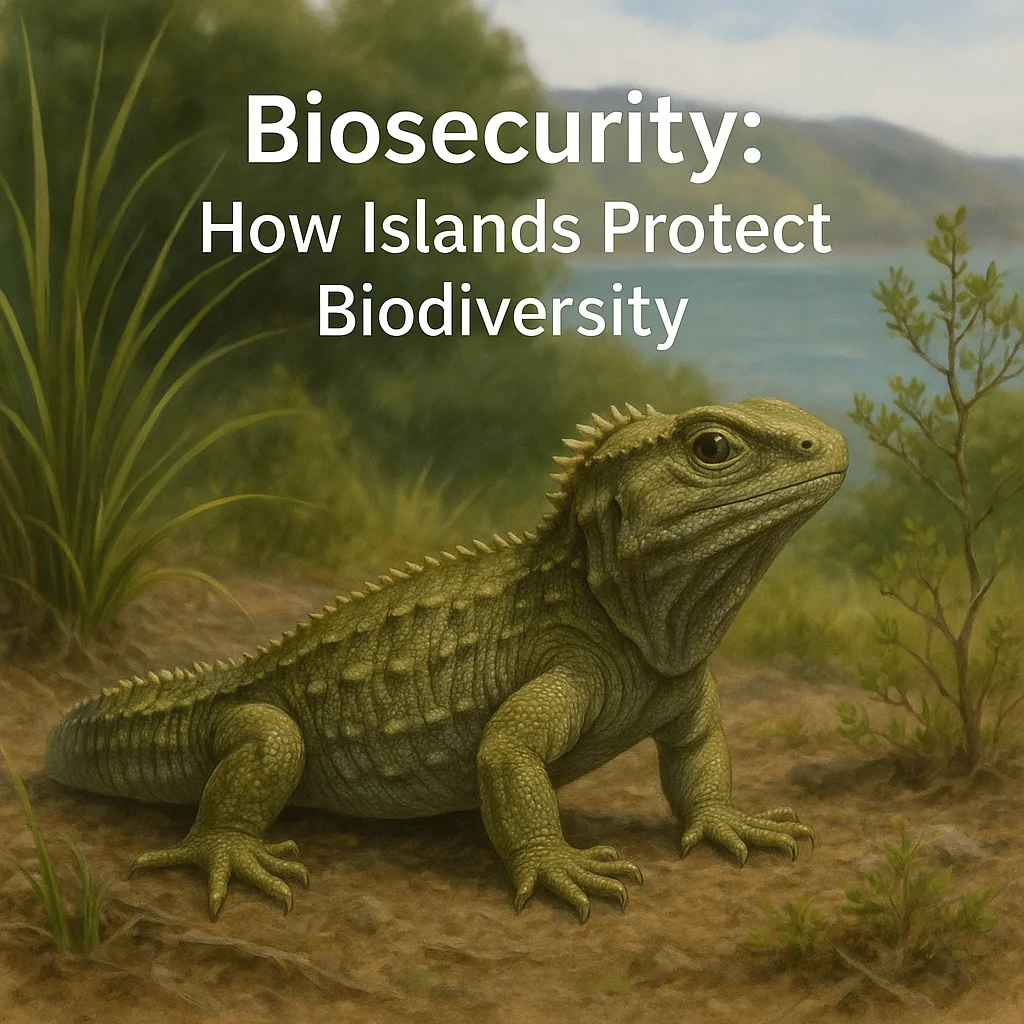
This article delves into the methods and strategies of biosecurity employed to preserve island ecosystems. Understanding these efforts is crucial for protecting species that are often at risk of extinction due to their limited distribution and the increasing number of human-induced threats.
We will explore the natural habitats of various island species, how they interact within their ecosystems, and the challenges they face. The role of biosecurity in safeguarding these environments will be highlighted, providing a comprehensive understanding of its significance.
🧭 Where It Lived
Islands are scattered across oceans and seas, offering unique habitats that are often isolated from continental influences. Some well-known island groups include the Galápagos, Hawai'i, and the Caribbean islands. This isolation creates ecosystems that support species found nowhere else, often with specialized niches.
The varied habitats on islands range from lush tropical forests and coral reefs to arid volcanic landscapes and cool mountain grasslands. Each of these environments requires different biosecurity measures to ensure their preservation.
For instance, the Hawaiian Islands support a wide array of endemic bird species that thrive in the high-altitude rainforests. The isolation, however, also makes these species vulnerable to invasive species and habitat disturbance.
🌿 Habitat and Daily Life
Island ecosystems are defined by their isolation and unique environmental conditions. Many islands experience consistent weather patterns, but localized climates can vary significantly. For example, some islands might have rainy mountainous areas and dry coastal regions.
Species on islands have adapted to their environments with particular diets and behaviors. Some animals have specialized in foraging from native plants or marine life, while others have developed unique social structures to thrive.
Reproductive strategies also vary, with some species breeding year-round and others following seasonal patterns. Due to limited space, competition for resources can be fierce, leading to complex ecological interactions.
🧬 What Made It Unique
Island species often have distinctive physical traits due to limited genetic exchange and specific environmental pressures. These include variations in size, coloration, and other adaptations that aid survival in isolated environments.
Special senses and behaviors often evolve in these species, such as unique feeding techniques or reproductive strategies, that help maintain ecological balance. Some species play key roles, like pollinators or seed dispersers, critical for the survival of other organisms within their habitat.
Culturally, islands can become important to human communities, providing resources, inspiration, and elements of identity, although this relationship can sometimes lead to ecological strain.
⏳ When It Disappeared
The disappearance of species on islands is usually marked by the last recorded sightings and specimen collections. However, uncertainty is common due to sparse data and the challenge of surveying remote locations.
For instance, islands with dense forests or complex reef systems can make it difficult to confirm the presence or absence of species. The declaration of extinction follows extensive searches and usually requires consensus among experts.
In some cases, species may be categorized as "Extinct in the Wild" if they survive only in controlled environments like zoos or botanical gardens.
⚠️ Why It Went Extinct
Island species are particularly vulnerable to extinction due to factors like habitat loss and fragmentation, which occur when natural environments are altered by human activity. This limits space for species to live and breed, reducing their populations.
Overhunting and collection pose threats when species are targeted for their rarity or perceived value. This is compounded by introduced or invasive species, which can outcompete, prey on, or bring diseases to native island species.
Climate changes and extreme weather events also play a significant role, potentially altering habitats beyond the survival thresholds for certain species. Lastly, pollution can disrupt delicate island ecosystems, leading to further decline in biodiversity.
🧩 How We Know (Evidence and Records)
Our knowledge of island biodiversity and extinctions comes from a variety of sources, including fossils, subfossil remains, and museum specimens. These physical records provide a historical context for species diversity.
Field notes, photographs, and oral histories enrich our understanding by capturing observations and experiences of past naturalists and indigenous communities. Modern techniques also utilize genetic studies to trace lineages and confirm identifications.
Islands present specific challenges for documentation; small populations and reclusive species make thorough surveys difficult, occasionally leaving room for rediscovery of species thought extinct.
🛡️ Could It Have Been Saved
Conservation actions such as establishing protected areas, enforcing hunting limits, and controlling invasive species have shown potential in preserving vulnerable island species. Habitat restoration and captive breeding programs also contribute to recovery efforts.
However, these initiatives can face challenges such as limited funding, lack of local support, or late implementation after populations have already declined. Balancing ecological needs with human interests remains a constant hurdle.
Where late conservation attempts were made, they provide lessons on the importance of early intervention and long-term commitment to successful species preservation.
🔁 Are There Any Survivors or Close Relatives Today
Although many island species have close relatives on continental lands, these counterparts may not share the specific adaptations to survive in island environments. Ecological replacements can sometimes fill roles vacated by extinct species, but they rarely replicate the full ecological function.
On some islands, reintroduction or captive breed-and-release programs continue to explore the possibilities of returning species to their native habitats. These efforts aim to restore balance in ecosystems previously disrupted by extinctions.
They symbolize hope and challenge, necessitating thorough planning and community involvement for long-term success.
❓ Common Questions and Misconceptions
Was it hunted to extinction? In many cases, hunting contributed but was not the sole cause.
Why didn’t it adapt or move? Many island species are highly specialized, making adaptation or relocation difficult.
Could it still be alive somewhere? It’s improbable but remains a question where extensive search is not possible.
What does 'declared extinct' actually mean? It means exhaustive surveys found no individuals in the wild.
What is the difference between endangered and extinct? Endangered species face a high risk of extinction, while extinct species no longer exist.
Why are island species so vulnerable? Limited range, small population sizes, and specialized adaptations make them susceptible to changes.
📌 Summary
- Biosecurity aims to protect islands' unique biodiversity.
- Islands possess isolated ecosystems with endemic species.
- Habitats include forests, reefs, and unique climate zones.
- Species have specialized diets and behaviors adapted to island life.
- Unique adaptations include physical traits and ecological roles.
- Species often faced extinction threats over the last few centuries.
- Main drivers include habitat loss, invasive species, and climate change.
- Evidence from fossils and museum collections supports scientific understanding.
- Close relatives on continents rarely serve as full ecological replacements.
- Conservation lessons highlight the need for prompt, sustained action.
- Islands' unique challenges require tailored biosecurity strategies.