🏞️ Why Small Populations Die Faster
🌍 What It Was
The Dodo was a flightless bird that lived on the island of Mauritius in the Indian Ocean. It was part of the pigeon and dove family and was particularly distinctive due to its large size, bulbous beak, and inability to fly. Scientists believe the Dodo weighed around 15-20 kilograms, making it significantly larger than its closest living relatives, which are pigeons.
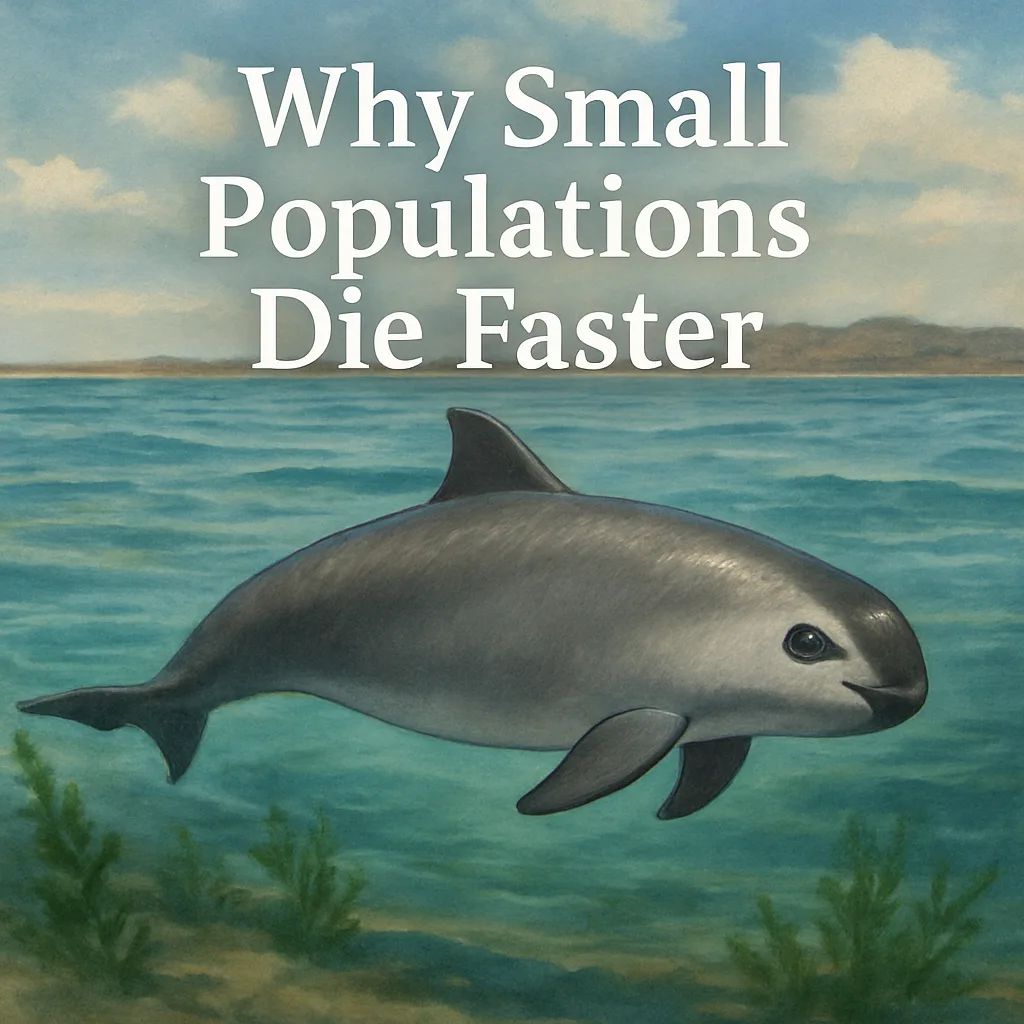
The Dodo played a significant role in its ecosystem, potentially as a seed disperser. The absence of natural predators on Mauritius allowed it to thrive without the need for flight. This unique ecology and isolation made the Dodo a special case in the study of extinct species.
In this article, you will learn about the Dodo's natural habitat, daily life, what made it unique, and the factors that contributed to its extinction. We will discuss when and how it disappeared and explore whether there are any relatives or similar species today.
🧭 Where It Lived
The Dodo was endemic to the island of Mauritius. Endemic means it was found nowhere else in the world. Mauritius is located east of Madagascar and is known for its lush landscapes and diverse wildlife. The Dodo inhabited the coastal forests and woodlands, which were rich in fruits and seeds, providing an abundant food source.
Mauritius had a tropical climate with warm temperatures year-round and a significant amount of rainfall. The Dodo's preference for coastal and lowland forests made it highly specialized in its habitat requirements. However, this also meant it was vulnerable to changes, especially as its habitat began to shrink due to human activity.
Living on an island meant that the Dodo had no natural predators before humans arrived. This geographical isolation often increases a species' risk of extinction because they have evolved without the need for defense mechanisms. When new threats are introduced, these species can find adapting to change difficult.
🌿 Habitat and Daily Life
The climate of Mauritius, with its warm temperatures and heavy rainfall, supported lush vegetation, providing an ideal environment for the Dodo to thrive. The island's rainy season helped sustain the fruit-bearing trees that were a crucial part of the Dodo's diet. The Dodo was predominantly frugivorous, meaning it mainly ate fruits, but it also consumed seeds and small invertebrates.
The Dodo's foraging behavior was simple due to the lack of predators. It likely moved slowly on the forest floor, searching for fallen fruits and seeds. The bird was believed to be a solitary creature, forming loose social groups when food was abundant.
Little is known about the breeding habits of the Dodo, but like many island birds, it may have laid only one egg at a time. The Dodo probably built simple nests on the ground using twigs and leaves. The chick would have been dependent on the parent for some time after hatching, requiring a safe and stable environment for growth.
🧬 What Made It Unique
The Dodo's most notable physical trait was its large, hooked beak, which was likely used to crack open tough fruits. Its round body, small wings, and short tail rendered it flightless. These adaptations suggest that flight was unnecessary in a habitat where food was plentiful and predators were absent. The Dodo's greyish to brownish plumage helped it blend into the forest floor.
The bird played an ecological role as a seed disperser. Some evidence suggests that the Dodo ingested large seeds, aiding in their germination by scraping off seed coats in its digestive tract. Its extinction may have had ripple effects on the plant life of Mauritius.
Culturally, the Dodo became famous through literature, most notably "Alice's Adventures in Wonderland," and is often depicted as a symbol of extinction. Early sailors and settlers noted the bird's curious, unafraid nature, which contributed to its vulnerability and eventual extinction.
⏳ When It Disappeared
The exact timeline of the Dodo's extinction is not firmly established, but records suggest the last confirmed sightings were in the late 1600s. The Dutch sailors first described the Dodo in the late 1500s, with written accounts and illustrations offering glimpses into its existence.
Extinction declarations are tricky for species like the Dodo, living in remote habitats. Extinction is typically declared after exhaustive searches confirm no sightings for a certain period. For the Dodo, the lack of confirmed sightings since the late 17th century led scientists to declare it extinct by 1700.
However, the Dodo's disappearance happened not long after human arrival on Mauritius, which saw a rapid change in ecosystem balance. As humans settled and exploitation of resources increased, the Dodo faced insurmountable challenges that led to its extinction.
⚠️ Why It Went Extinct
The extinction of the Dodo was primarily driven by habitat loss and overexploitation. As humans colonized Mauritius, they cleared vast areas of forests for agriculture and settlement, removing vital habitats for the Dodo. Habitat fragmentation reduced the bird's ability to find food and shelter.
Overexploitation occurred as sailors hunted the Dodo for food. Although early accounts suggested the meat was not particularly tasty, the bird was still captured and consumed. Additionally, introduced species like pigs, rats, and monkeys devastated Dodo nests, consuming eggs and hatchlings without any natural defenses from the bird.
Climate shifts and extreme weather events, although less documented in the historical record, may have further stressed the Dodo. The combined pressure from habitat destruction, hunting, and invasive species ultimately pushed the Dodo to extinction, as it could not reproduce quickly enough to sustain its population.
🧩 How We Know (Evidence and Records)
The main sources of information about the Dodo are historical accounts, illustrations, and subfossil remains found on Mauritius. Early explorers and settlers documented their encounters with the bird, providing valuable insights into its behavior and appearance.
Subfossils, which are partially fossilized remains, were found in caves and marshes on the island, offering physical evidence of the bird's existence. Many of these remains are housed in museums around the world, where they provide material for scientific study.
Modern science has used genetic analysis to confirm the Dodo's place in the pigeon and dove family, helping verify its identity. The rarity of sightings and physical evidence highlights why species like the Dodo, which lived on remote islands and were poorly documented, can be challenging to confirm as extinct.
🛡️ Could It Have Been Saved
There are conservation actions that might have helped preserve the Dodo. Protecting its habitat by restricting deforestation and limiting hunting could have provided the bird with a sanctuary to maintain its population. Controlling invasive species or preventing their introduction would have reduced predation on eggs and chicks.
Captive breeding programs, if initiated early enough, might have preserved a viable population. However, conservation awareness was minimal in the 17th century, and the Dodo's extinction predated modern conservation efforts.
Sadly, action came too late, as the ecological changes imposed by humans happened swiftly and were compounded by the Dodo's low reproduction rate. While there were no formal conservation attempts for the Dodo, understanding these dynamics helps inform current efforts to protect other species from similar fates.
🔁 Are There Any Survivors or Close Relatives Today
The closest living relatives of the Dodo are pigeons and doves. Species like the Nicobar pigeon are considered to share a lineage with the Dodo, harking back to a common ancestor. While they are not ecological replacements, they offer a glimpse into the evolutionary path of their extinct relative.
In ecological terms, no species fully replicates the Dodo's role on Mauritius. Introduced species have since filled some ecological niches on the island, but often at the cost of native biodiversity.
Efforts to restore native forests and control invasive species on Mauritius provide hope for preserving remaining ecosystems. Conservation focus on living species connected to the Dodo highlights the need to act early to protect unique island biodiversity.
❓ Common Questions and Misconceptions
Was it hunted to extinction? The Dodo was overhunted by sailors but also faced habitat loss and predation by introduced animals.
Why didn’t it adapt or move? Island species like the Dodo evolve with limited threats and lack defense mechanisms against new dangers, making adaptation difficult.
Could it still be alive somewhere? With no confirmed sightings since the 1600s and exhaustive searches, the Dodo is considered extinct.
What does "declared extinct" actually mean? It means no individuals have been confirmed in the wild or captivity after thorough searches.
What is the difference between endangered and extinct? Endangered species still exist but are at risk of extinction; extinct species no longer exist.
Why are island species so vulnerable? They often evolve without predators and have smaller populations, so they are more impacted by changes.
📌 Summary
- The Dodo was a flightless bird endemic to Mauritius.
- It inhabited coastal forests with a tropical climate.
- It primarily consumed fruits and had no natural predators.
- Its unique traits included a large beak and flightlessness.
- The last confirmed records date to the late 1600s.
- Main extinction drivers were habitat loss and invasive species.
- Evidence comes from historical records and subfossils.
- Closest living relatives are certain species of pigeons.
- A key conservation lesson is the importance of early action.
- The Dodo symbolizes the impact of human-driven extinction.