🏞️ How Trade Spreads Wildlife Diseases
🌍 What It Was
The interconnectedness of global trade networks today means that goods and products move across borders more easily and quickly than ever before. This includes animals—both legally traded pets and livestock as well as those trafficked illegally. These movements can unintentionally carry pathogens, making trade a significant factor in the spread of wildlife diseases.
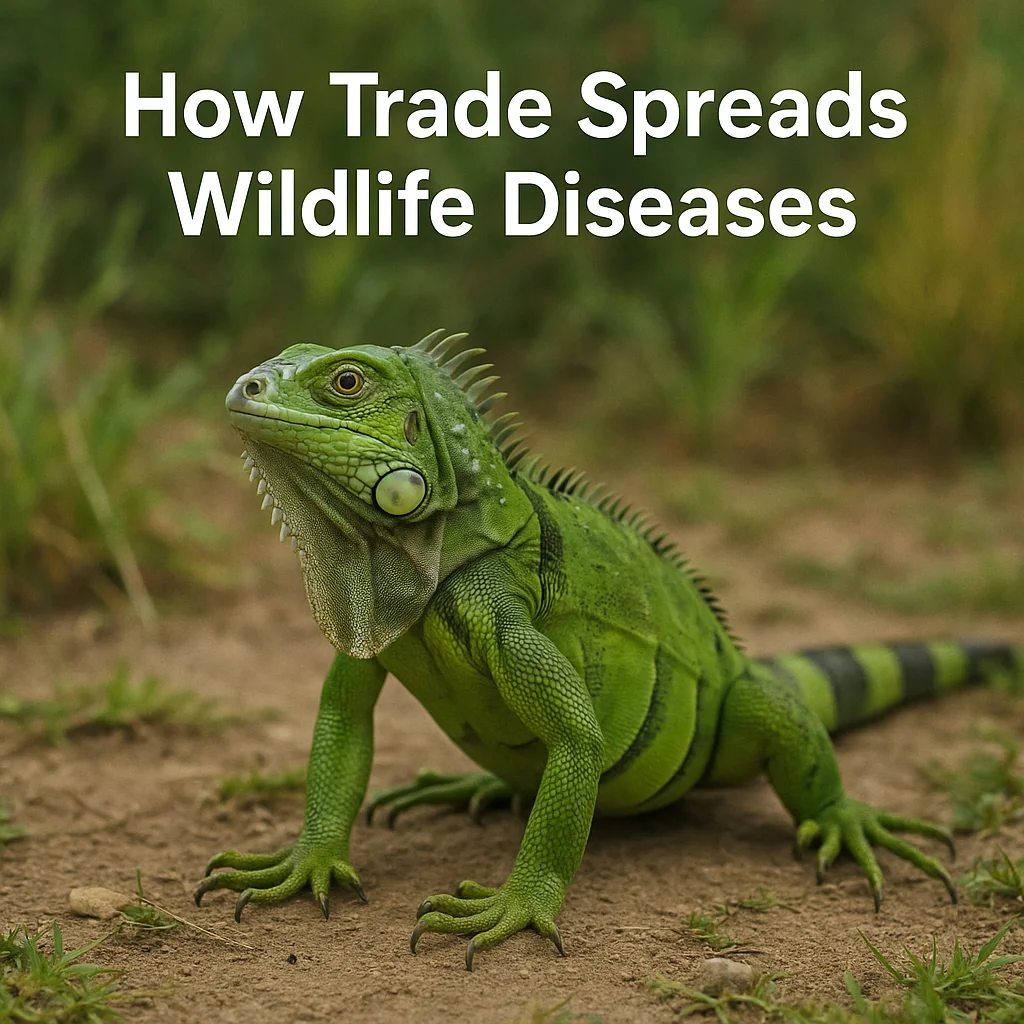
Wildlife diseases are illnesses that naturally occur in wild species. Some of these diseases can spread to other animals, including livestock and, eventually, humans. The proliferation of such diseases is a topic of growing concern for conservationists and ecologists worldwide.
This article explores how trade plays a role in the spread of wildlife diseases. We will look at how the movement of species across regions can introduce new pathogens into ecosystems, overwhelm local species, and even spur extinctions.
🧭 Where It Lived
The issue of wildlife disease spread is not confined to one geographical area or ecosystem but is a global concern. Wildlife diseases can proliferate in diverse environments ranging from tropical rainforests and temperate woodlands to aquatic ecosystems like rivers and reefs.
Regions with rich biodiversity, such as the Amazon rainforest or the Great Barrier Reef, are particularly vulnerable. The introduction of a disease can rapidly upset these ecosystems, which are often finely balanced.
In isolated ecosystems, like islands, the introduction of a new pathogen can be particularly devastating. Small, isolated populations are less resilient when faced with diseases for which they have no natural immunity. As trade connects these remote regions with the global network, the risk of disease spread increases significantly.
🌿 Habitat and Daily Life
Wild animals live in various habitats, each with specific climatic conditions. These conditions can range from humid and warm tropical climates to cooler, temperate zones. Seasonal changes affect the availability of food resources, influencing the foraging and migratory patterns of species.
Many animals display intricate social behaviors and complex life cycles. For instance, some species undergo seasonal migrations or have breeding seasons aligned with environmental cues like rainfall. Such behaviors can influence how diseases spread, as animals congregate in large numbers during certain periods.
Wildlife diseases can influence not only individual animals' life cycles but entire ecosystems. Predators can be affected by diseases in prey species, while herbivores might face challenges if a disease reduces the availability of certain plants.
🧬 What Made It Unique
Wild animals exhibit unique adaptations that help them survive in their respective environments. These can range from physical traits like camouflaging coloration and sharp senses to behavioral adaptations like social grooming and cooperative hunting.
Such adaptations often develop over thousands of years and can make species particularly vulnerable to newly introduced diseases. Animals adapted to specific ecological niches may lack immunity to pathogens they have never been exposed to, making them susceptible when new diseases are introduced through trade.
Additionally, certain species play crucial roles in their ecosystems, such as seed dispersers or pollinators. The spread of diseases through trade can diminish these pivotal species, disrupting the ecological functions they perform.
⏳ When It Disappeared
The precise impact of trade on spreading wildlife diseases has become more apparent over recent decades. Historically, records of wildlife diseases and their spread have often been fragmentary, making it challenging to piece together a comprehensive timeline.
In many cases, diseases introduced through trade have contributed to declines in animal populations. For some, this has meant becoming functionally extinct, where they no longer perform their roles in the ecosystem, even if a few individuals survive.
Detailed studies and advances in genomic technologies have helped provide more clarity, offering pathways to deduce how and when certain diseases became prevalent in specific regions.
⚠️ Why It Went Extinct
The spread of wildlife diseases has multiple causes. One major driver is habitat loss and fragmentation, which forces animals into smaller, more crowded areas where diseases can spread rapidly. This disruption is often compounded by trade that brings new species—and new diseases—into these already stressed environments.
Introduced and invasive species are another significant factor. These are species brought into an environment where they are not native, often outcompeting or preying on local wildlife. Many introduced species also carry pathogens to which they are immune, but which can be deadly to native fauna.
Disease, directly introduced through trade, can lead to massive die-offs. Pathogens such as fungi, viruses, and bacteria can spread quickly through a population, particularly when the animals have not evolved natural defenses.
🧩 How We Know (Evidence and Records)
Knowledge about wildlife diseases and their spread primarily comes from various evidence types including biological samples, museum specimens, and field observations. In recent years, genetic analysis has become a powerful tool in identifying pathogen strains and tracing their origins.
Field notes and oral histories provide context for how diseases have affected species over time. Combined, these records help scientists piece together the pathways through which trade introduces and spreads diseases.
The verification process for identifying diseases involves meticulous laboratory work and interdisciplinary investigations, making it a challenging but critical aspect of conservation biology.
🛡️ Could It Have Been Saved
To mitigate the spread of wildlife diseases through trade, a range of conservation actions can be effective. Establishing biosecurity measures to regulate the import and export of animals can help prevent pathogens from crossing borders.
Invasive species control is also vital. By managing non-native populations, we can reduce the risk of diseases spreading to vulnerable local species.
Captive breeding programs occasionally offer hope for recovering at-risk species. However, these initiatives require considerable resources and advanced planning. Often, efforts in this area are slow to start, delaying the interventions needed to save species from disease-related extinction.
🔁 Are There Any Survivors or Close Relatives Today
Many wildlife species affected by trade-related diseases have closely related species that continue to survive. These relatives may share similar ecological roles, providing essential functions, like seed dispersal or pollination, within their environments.
While some species become extinct, others may serve as ecological replacements. For example, if a pollinator species is lost, another species may take over its role, although this does not always happen smoothly.
In some instances, captive breeding and reintroduction programs have been successful, reestablishing populations of animals that had suffered from disease outbreaks. These efforts can be complex and require long-term commitment and monitoring.
❓ Common Questions and Misconceptions
Was it hunted to extinction? While overhunting does play a role, diseases often compound the impact of hunting on wildlife populations.
Why didn’t it adapt or move? Many animals have limited ranges and specialized habitats, preventing easy adaptation or migration in response to new diseases.
Could it still be alive somewhere? Unconfirmed sightings occur but are rare. Most such claims lack convincing evidence.
What does 'declared extinct' actually mean? It means there have been no confirmed sightings over a specified period, typically a decade, despite extensive surveys.
What is the difference between endangered and extinct? Endangered species are in dangerous decline but still exist, while extinct species have no surviving members.
Why are island species so vulnerable? Island species often lack resilience against new diseases and predators due to their evolutionary isolation.
📌 Summary
- Trade significantly impacts the spread of wildlife diseases worldwide.
- Diseases affect various global ecosystems and habitat types.
- Many animals are highly specialized, making them vulnerable to new diseases.
- Isolation increases susceptibility to disease in small, localized populations.
- Wildlife role replacements can sometimes fill ecological voids.
- Last widespread concerns over diseases appeared in recent decades.
- Main extinction drivers include habitat loss and introduced species.
- Field observations and genetic studies provide essential evidence.
- Biosecurity and management of invasive species can mitigate spread.
- Related species may share ecological roles and help sustain ecosystems.
- Understanding trade's role in spreading diseases is crucial for conservation.