🏞️ What “Climate Resilience” Means for Species
🌍 What It Was
The concept of "climate resilience" for species refers to the ability of animals and plants to adapt, endure, and thrive in the face of changing climatic conditions. This resilience is crucial for the survival of countless species as global temperatures rise and ecosystems shift. Climate resilience encompasses various adaptations and features that help species maintain their populations and fulfill their roles in the ecosystem.
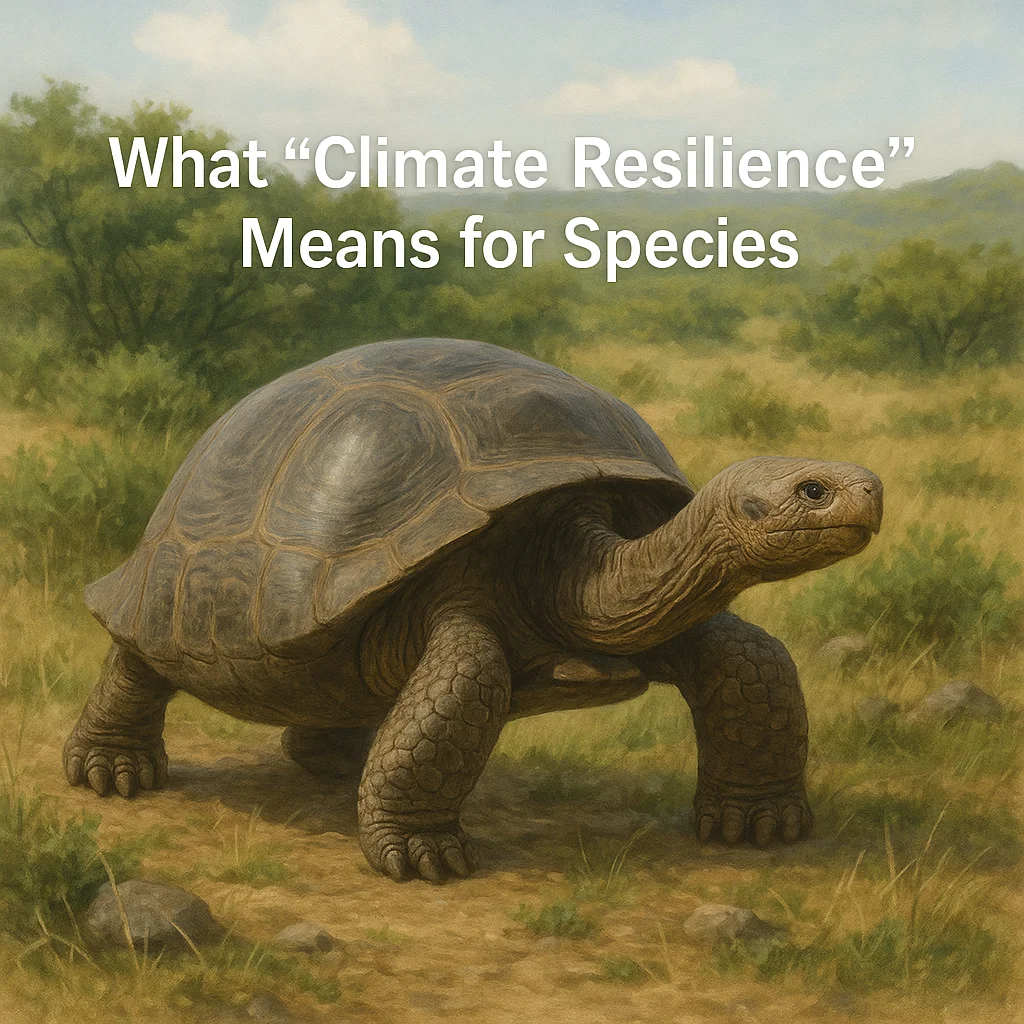
An understanding of climate resilience allows scientists and conservationists to create more effective strategies to protect endangered species. By studying how species from the past and present have coped with climatic shifts, researchers gain insight into how current and future species might withstand similar challenges.
This article explores the elements that contribute to a species' climate resilience. You will learn about the importance of habitat, behavioral adaptations, physical characteristics, and how climate resilience can be measured. This knowledge helps to improve conservation efforts aimed at reducing the risk of extinction.
🧭 Where It Lived
Species that display climate resilience are found in diverse habitats across the globe. These range from the dense tropical rainforests of the Amazon to the vast savannahs of Africa and the arid deserts of Australia. The geographic range of species that exhibit climate resilience can be widespread or highly localized, influencing their ability to cope with environmental changes.
For example, tropical rainforests provide a rich and complex habitat for a wide variety of species. Animals in these regions often develop adaptive behaviors and physical traits that allow them to capitalize on abundant resources, even as climate conditions become more variable.
Some species, especially those on islands or in isolated ecosystems, face greater risks due to their limited distributions. Such environments can exacerbate vulnerability to climate change, leading to increased risk of extinction if adaptation measures are not feasible or swift enough.
🌿 Habitat and Daily Life
The climate and environment play a significant role in shaping the climate resilience of a species. Variations in temperature, rainfall, and seasonal changes impact the availability of resources and dictate the behavioral patterns necessary for survival.
Many species demonstrate resilience through their diverse diets and foraging strategies. Generalists, for example, can consume a wide range of food sources, which provides an advantage in unpredictable environments. Additionally, migration helps some species escape harsh conditions, offering temporary refuge and access to better feeding grounds.
Reproductive strategies also contribute to climate resilience. Species with flexible breeding seasons or those that do not rely heavily on specific environmental triggers are more likely to endure climatic changes. Furthermore, social structures and cooperative behaviors can strengthen resilience by providing collective support and protection.
🧬 What Made It Unique
Resilient species often possess unique physical traits that enhance their ability to withstand climate shifts. These traits might include specialized body coverings, like thick fur for surviving cold climates or reflective skin for enduring heat. Other adaptations, such as prolonged dormancy periods, allow species to survive seasonal extremes.
Some species exhibit exceptional ecological roles, such as seed dispersal and pollination, which are crucial for the maintenance of their habitats. These roles can bolster ecosystem stability and resilience, making the species integral to the well-being of their communities.
In many cultures, species known for their resilience hold significant historical and cultural importance, often representing strength and adaptability. Such cultural connections can lead to increased conservation awareness and efforts to protect these valuable species.
⏳ When It Disappeared
The notion of extinction is complex, often involving uncertain timelines due to limited historical records. Extinction declarations usually follow comprehensive surveys and assessments, documenting the last known sightings and historical evidence.
In many cases, the specific timing when a species is declared extinct involves a blend of recent confirmed records and a lack of subsequent sightings. This period of uncertainty highlights the challenges faced by researchers working in remote or inhospitable habitats where species might elude detection.
The distinction between "Extinct in the Wild" and "Extinct" is critical, as the former implies that some individuals may still exist in captivity, offering a glimmer of hope for potential reintroduction programs. Field studies and surveys continue to be essential for conclusively determining the status of a species.
⚠️ Why It Went Extinct
Numerous factors contribute to the extinction of species, often leading to complex, multi-causal scenarios. Habitat loss and fragmentation frequently top the list, with deforestation, urbanization, and agricultural expansion reducing available living space and resources.
Overexploitation, including overhunting and overfishing, significantly diminishes populations by exceeding their reproductive capacities. This often occurs in tandem with habitat loss, compounding the pressure on species.
Introduced and invasive species pose another threat by outcompeting, preying on, or spreading diseases to native flora and fauna. These invaders can quickly disrupt established ecosystems, leaving native species vulnerable to decline.
Climate change presents extreme challenges by altering ecosystems and weather patterns, which can be too rapid for some species to adapt. Additionally, pollution further complicates survival by degrading habitats and introducing harmful substances into food webs.
🧩 How We Know (Evidence and Records)
Determining the status of a species relies on a combination of evidence types. Fossil and subfossil records provide insights into long-term existence, while museum specimens and field notes offer a snapshot of historical populations.
Modern technologies, such as genetic analyses, help verify the identity of species and track genetic diversity over time. Photographic evidence and oral histories add another layer of confirmation, especially for culturally significant species.
Yet, certain species prove difficult to study due to factors such as nocturnal habits, deep-sea habitats, or residing in remote regions. These complexities necessitate ongoing research and refinement of strategies to ascertain their true status accurately.
🛡️ Could It Have Been Saved
In hindsight, various conservation actions could have potentially saved many species. Establishing protected habitats and enforcing legal protections against hunting and development are key strategies. Limiting invasive species through management and eradication programs also plays a pivotal role.
Captive breeding programs offer hope for some species, enabling controlled population increases and eventual reintroduction into the wild. However, these efforts often come too late due to inadequate resources or delayed recognition of a species' decline.
Past conservation attempts underscore the importance of early intervention and robust frameworks to respond to such crises proactively. Ensuring biodiversity conservation remains a priority in policy-making and resource allocation is crucial for future success.
🔁 Are There Any Survivors or Close Relatives Today
While some extinct species have no direct descendants, others have close living relatives that share common ancestry and ecological roles. These relatives might offer insights into the lost species' traits and adaptations.
Ecological replacements, or species that fulfill similar roles in ecosystems, can partly compensate for the loss of an extinct species. However, they cannot entirely replace the unique interactions and functions previously performed by the extinct species.
Reintroduction and captive breeding programs focus on restoring ecological balance by reestablishing populations of similar species. These efforts aim to rebuild ecosystem functions and enhance overall resilience to environmental change.
❓ Common Questions and Misconceptions
Was it hunted to extinction? Many species have faced pressures due to overhunting, but few extinctions result solely from this activity. It's usually part of a broader context of habitat loss and environmental changes.
Why didn’t it adapt or move? Not all species are capable of rapid adaptation or relocation, especially those in isolated habitats. Evolutionary adaptability can be limited by an organism's life cycle and environmental barriers.
Could it still be alive somewhere? While new discoveries are possible, the chances are slim once a species is declared extinct. Hope remains for remote areas where thorough searches have not been conducted.
What does "declared extinct" actually mean? A declaration follows rigorous evaluation and absence of sightings over a considerable timeframe, coupled with habitat assessment.
What is the difference between endangered and extinct? Endangered species are still surviving but face significant extinction risk without intervention. Extinct species no longer exist in the wild.
Why are island species so vulnerable? Island ecosystems offer limited resources and restricted ranges, leaving species highly susceptible to changes and invasive species.
📌 Summary
- Climate resilience refers to the ability of species to endure climate changes.
- This resilience is seen in various habitats worldwide, from forests to deserts.
- Species adapt through behaviors, diet diversity, and migration patterns.
- Physical adaptations such as fur and skin traits aid climate resilience.
- The disappearance of species often involves complex, multi-faceted causes.
- Factors like habitat loss, overexploitation, and climate change play roles.
- Evidence and historical records help confirm species' extinction status.
- Living relatives offer insights into extinct species' characteristics.
- Conservation strategies include habitat protection and legal enforcement.
- Understanding climate resilience helps guide future conservation efforts.
- Early intervention and comprehensive planning are vital to success.
- Ecological replacements cannot entirely fill the niche of extinct species.