🏞️ Range Shifts: When Species Can’t Move
🌍 What It Was
Range shifts occur when a species can no longer survive in its native habitat, often leading to significant impacts on their population. Animals that cannot adapt or relocate often face extinction. This article will explore extinct species unable to move due to climate changes and human activities.
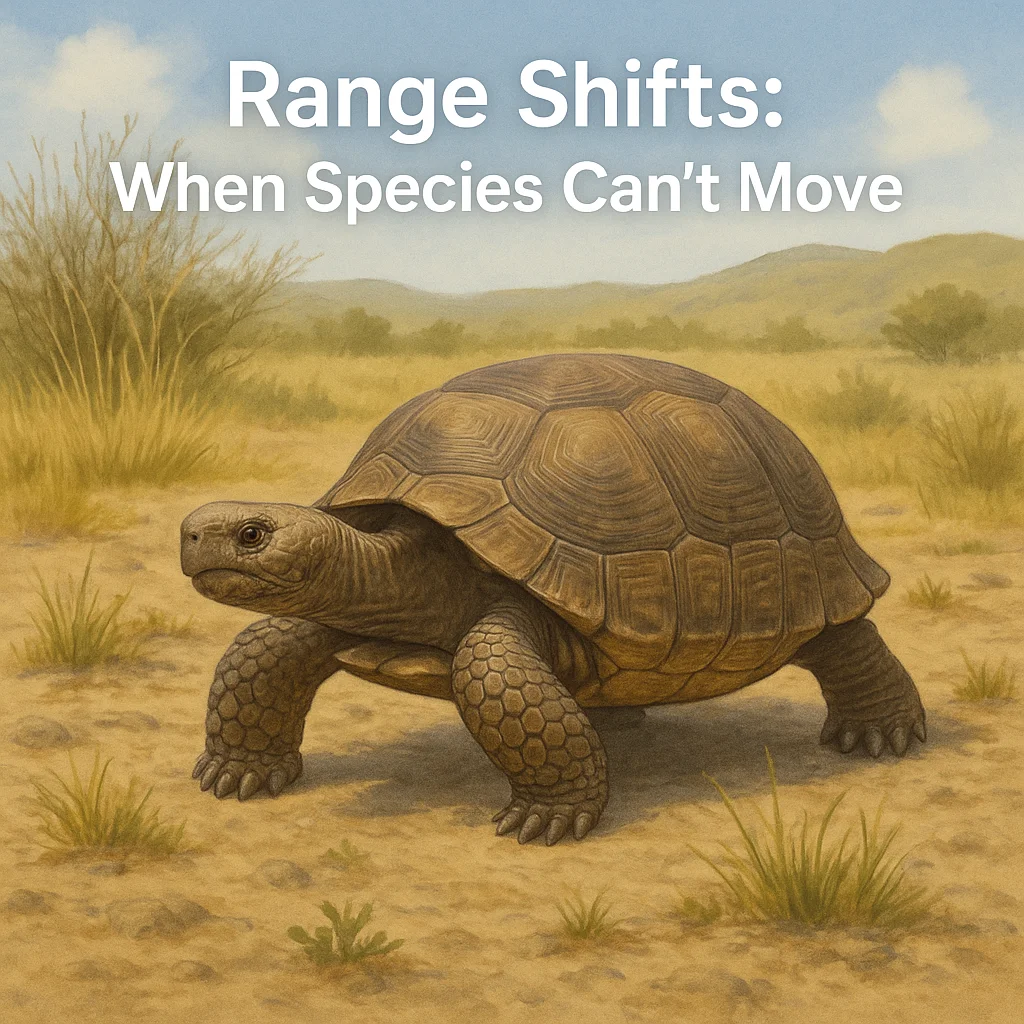
These species were part of intricate ecosystems and played unique roles. Some had close living relatives, while others were the last of their kind, representing a lost branch of the evolutionary tree. Understanding their story helps unravel the complexity of extinction science.
Readers can expect to learn about where these animals lived, how they survived, when they disappeared, and why it happened. This knowledge sheds light on the broader implications of range shifts and the challenges they pose.
🧭 Where It Lived
Many extinct species once inhabited specific regions, often limited to islands, small land masses, or unique environmental niches. This geographical restriction made them particularly vulnerable to environmental changes and human intrusion.
The habitat types they depended on varied widely from dense forests to grasslands, wetlands, or even coral reefs. Each environmental setting offered unique resources and challenges pivotal to the species that called it home.
Species confined to islands faced heightened risk as their isolated environments provided limited escape routes in the face of climate change or human encroachment. The inability to migrate meant that even small disruptions could lead to catastrophic outcomes.
🌿 Habitat and Daily Life
The climates these species experienced could range from tropical warmth with heavy rainfall to harsher conditions characterized by droughts and fluctuating temperatures. These environmental conditions shaped their daily routines and survival strategies.
Their diets included specific plants, prey, or even other animal symbioses that shaped ecosystems but were often undervalued. Many species developed unique foraging techniques, migrating patterns, or social structures to optimize their survivability.
The reproduction cycle of these animals typically involved defined breeding seasons, parental cooperation, and offspring nurturing strategies that were finely tuned to their ecological niche. Their interactions with other species included complex webs of predator-prey dynamics, competition, and cooperation.
🧬 What Made It Unique
Many of these extinct animals boasted unique physical attributes adapted to their specific environments. Size, coloration, and specialized senses were evolved to optimize survival, be it through camouflage, enhanced sensory detection, or physical prowess.
Special abilities such as long-distance migration, seed dispersal, or keystone ecological roles highlighted their importance within ecosystems. Such traits often contributed to their distinction and became points of loss as they disappeared from the world.
Culturally, these animals may have held symbolic value, appearing in folklore, artwork, or as revered entities in local traditions. This connection underscores not just their ecological but also historical importance.
⏳ When It Disappeared
The timeline of extinction varied. Some species were last observed in the late 19th or early 20th centuries, while others lingered into the contemporary age but have not been sighted for decades. Scientific confirmation of extinction involves thorough investigations into sightings, field research, and examination of available data.
Uncertainties in records often stem from misidentifications, inaccessible remote habitats, or lack of detailed historical data. In some cases, a species is declared "Extinct in the Wild," meaning it survives only in captivity. This serves as a dire indicator of its grim status even as efforts persist to save the remaining individuals.
⚠️ Why It Went Extinct
Extinction often arises from a combination of factors rather than a singular cause. Habitat loss and fragmentation are major contributors, as landscapes transform due to urbanization, agriculture, or industrial activities, rendering previous habitats uninhabitable.
Overhunting, overfishing, and collection pursuits have also significantly contributed, where unregulated exploitation diminishes populations beyond recovery. Introduction of non-native or invasive species causes competition for resources, predation, or disease introduction, furthering stress upon the native populace.
Climate shifts and extreme weather events alter the environmental conditions too rapidly for many species to adapt, while pollution impacts their health and disrupts ecosystems. These interconnected drivers collectively led to declines, demonstrating the complex web of factors in ecological collapses.
🧩 How We Know (Evidence and Records)
Evidence of these extinctions comes from various sources, such as fossils or subfossils, museum specimens, field notes, and genetic analyses. Oral histories and photographs further complement these scientific records, providing circumstantial yet valuable data.
Verification involves meticulous cross-reference of the species' characteristics with existing taxonomy and established timelines, considering geographical distribution and matching historical accounts with physical evidence.
Complications arise when dealing with nocturnal, deep-sea, or species in remote islands, where encounters and verifiable evidence are scarce. Hence, the process of declaring extinction is rigorous and reflects careful scientific judgment rather than quick conclusions.
🛡️ Could It Have Been Saved
In hindsight, realistic conservation actions might have included protected areas to preserve critical habitats, monitoring and regulating hunting, and controlling invasive species that posed threats. Such proactive measures could have mitigated ecological pressures.
In many instances, efforts might have started too late to counteract the existing damages. Trade-offs between economic development and conservation priorities often delayed decisive action, highlighting the inherent difficulty in aligning immediate human needs with long-term ecological sustainability.
Late conservation attempts sometimes took form in breeding programs, controlled environments, or legal protections, albeit these efforts provide crucial lessons for future biodiversity protection attempts.
🔁 Are There Any Survivors or Close Relatives Today
Today, the closest living relatives of these species might share evolutionary histories, similar traits, or fill comparable ecological roles. Understanding these relatives can aid in witnessing evolutionary continuance even in the aftermath of extinction.
In some cases, species might serve as "ecological replacements," assuming similar roles as their extinct counterparts within altered ecosystems. In rare instances, reintroduction or controlled breeding programs aim to re-establish populations of critically endangered species.
These initiatives signify incremental steps towards reversing biodiversity loss, reflecting the interconnectedness within ecosystems and the potential for restoration in some contexts when timely interventions prevail.
❓ Common Questions and Misconceptions
Was it hunted to extinction? Often it was a combination of overhunting along with other factors like habitat loss that led to extinction.
Why didn’t it adapt or move? Rapid environmental changes outpaced the ability of many species to adapt or relocate, especially for those with specific habitat needs.
Could it still be alive somewhere? While theoretically possible, rigorous surveys make it unlikely for most officially declared extinct species.
What does 'declared extinct' actually mean? It implies comprehensive searches have been conducted without finding any remaining specimens in the wild.
What is the difference between endangered and extinct? Endangered species are at high risk of extinction, while extinct species no longer exist in the wild or entirely.
Why are island species so vulnerable? Their limited range and unique adaptations make them particularly susceptible to environmental changes and human impact.
📌 Summary
- Exploration of species affected by range shifts unable to relocate.
- Existed in specific regions and unique habitats making them vulnerable.
- Variety of ecosystems including forests, grasslands, and wetlands.
- Diet and behavior tailored to ecological niche and environmental conditions.
- Unique adaptations for survival in specialized habitats.
- Extinction often occurred between late 19th and 20th centuries.
- Primary drivers include habitat loss, overexploitation, and invasive species.
- Evidence through fossils, specimens, and historical data corroborates extinction.
- Closest living relatives sometimes exist, continuing evolutionary narratives.
- Conservation requires timely action and understanding of complex ecosystem interdependencies.
- Remember always that species' interconnectedness extends beyond biological material, enriching ecological diversity.