🏞️ Melting Ice and Polar Food Webs
🌍 What It Was
The polar regions of Earth are home to some of the most fascinating and unique animal life forms. Among these, certain charismatic species like polar bears and seals play critical roles in maintaining ecological balance. However, not all polar inhabitants have survived the rigorous changes in their environment.
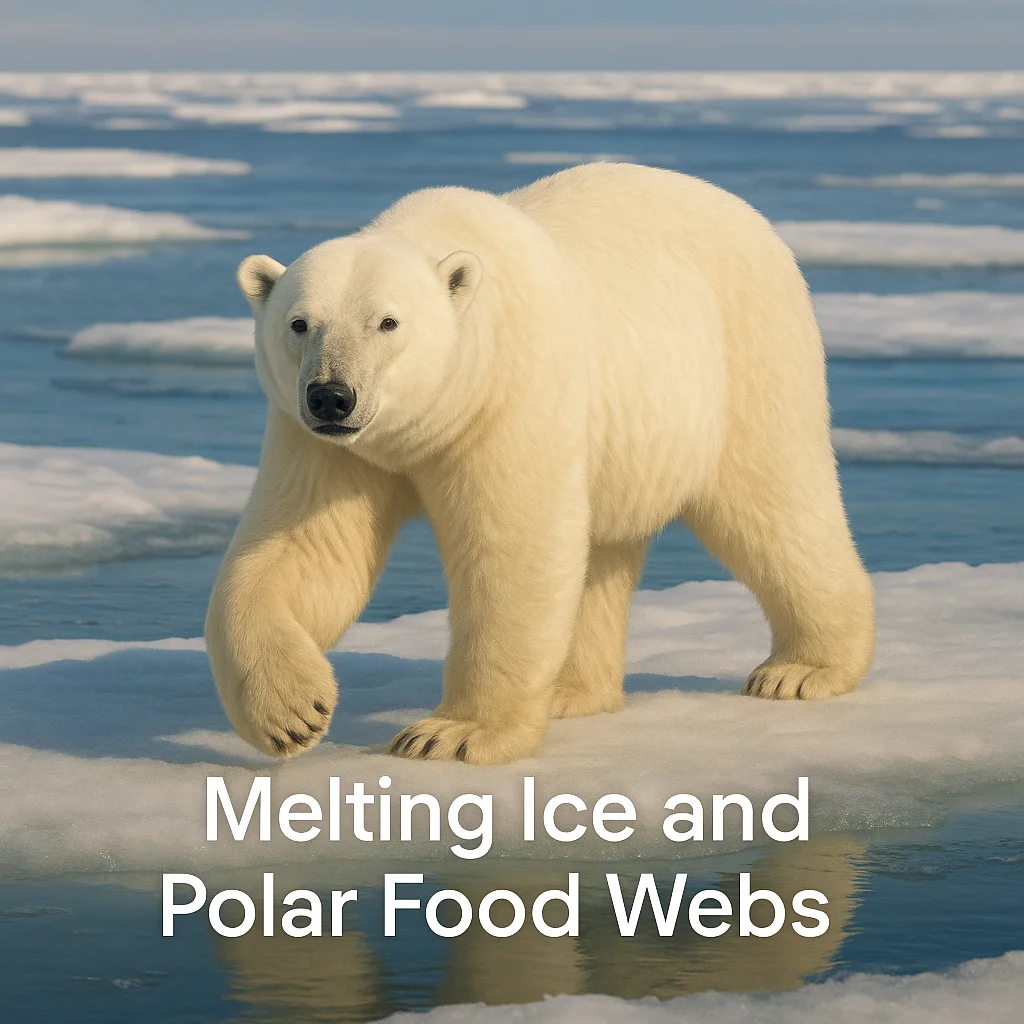
The animal we are discussing today was an integral component of the polar food web. Known for its distinctive adaptation to icy habitats and reliance on seasonal sea ice, it shared lineage with creatures like seals and other pinnipeds. Its disappearance echoes with significant implications for the ecosystem.
This article will explore its historical existence, ecological role, and the underlying causes of its extinction. Readers will also learn about the potential threats that climate change poses to polar ecosystems and why preserving these food webs is crucial.
🧭 Where It Lived
The animal's geographic range spanned the icy waters of the Arctic and Antarctic regions. It relied heavily on sea ice-covered areas and the surrounding frigid seas, characterized by their extreme temperatures and seasonal light cycles.
The polar habitats it depended on included massive sea ice expanses and the frigid ocean waters beneath. These environments supported its complex hunting and foraging strategies, providing the necessary platform for resting and breeding.
Due to its dependency on specific ice and water conditions, any changes to these viral habitats significantly affected their survival. Habitat changes, especially in isolated or island-dependent areas, increased their vulnerability to rapid environmental changes and ultimately contributed to their decline.
🌿 Habitat and Daily Life
The polar climates these animals thrived in were characterized by harsh winters with subzero temperatures and brief, vibrant summers. Precipitation varied, typically taking the form of snow, contributing to the vast ice sheets and glaciers.
Feeding habits were diverse, primarily including fish and other marine life. They employed a keen sense of awareness and impressive diving skills to capture prey beneath the ice. Their habits also involved long migrations aligned with the seasonal shift of ice.
Reproduction typically occurred during the spring with breeding on ice floes or remote coasts. Mother animals provided significant care, nurturing their young through frigid temperatures until they were self-sufficient. These interactions formed complex social structures necessary for survival.
🧬 What Made It Unique
The animal exhibited several key physical traits, including dense fur and a thick layer of blubber, designed for insulation against the cold. Their limbs were adapted for strong swimming, a crucial trait for agile underwater hunting.
These creatures possessed acute senses of sight and hearing, enabling efficient navigation through the icy terrains of their habitat. Their ecological role was critical, contributing to top-down regulation of prey species and maintaining balance within their ecosystems.
While there is no detailed historical documentation of cultural significance, indigenous peoples in polar areas likely acknowledged them similarly to other pivotal species recognized for their ecological roles.
⏳ When It Disappeared
Exact records of their existence became sparse over time. Last confirmed sightings might have occurred in the late 20th century, with reliable records becoming increasingly challenging to come by due to the remoteness of their habitat. Scientists often rely on limited observations and indirect evidence, such as declining population signals, to declare extinction.
The dissolution of sea ice habitats led to reduced sightings and eventual extinction declarations. Missing records often resulted from misidentifications or remote habitats inherently making tracking difficult. Hence, some argue whether the declaration of extinction was premature or definitive.
⚠️ Why It Went Extinct
Several factors intertwined as drivers of extinction. Habitat loss from melting ice was paramount, eroding the essential grounds for resting and breeding. Over time, fragmentation of these habitats limited their range, compounding survival challenges.
While overhunting played a less critical role due to low indigenous hunting pressure, climate shifts induced extreme environmental changes. These shifts reduced prey availability, affecting the carrying capacity of their habitats.
In addition to climate-related pressures, pollution further strained survival, with increased contaminants affecting their health and reproductive success rates. The extinction story is complex, illustrating the compound effect of these interacting threats.
🧩 How We Know (Evidence and Records)
Research on extinct polar animals relies on a combination of evidence such as fossils, museum specimens, and historical field notes. These sources assist scientists in reconstructing past population distributions and verifying species identity.
Fossil records and subfossil remains help determine the presence and disappearance across time scales. Genetic analysis from preserved tissues further validates identity, supporting extinction claims. However, records are sometimes disputed due to the difficulty in accessing remote, icy regions.
Photographic evidence and oral histories from indigenous communities contribute crucial knowledge, allowing researchers to build robust cases for understanding extinctions.
🛡️ Could It Have Been Saved
Conservation efforts focusing on protecting sea ice habitats and managing human activity could potentially have mitigated extinction threats. Enforcing stricter pollution controls and minimizing climate impact through emission reduction may also have benefited these populations.
Concrete actions were likely insufficient due to delayed recognition of the animal's precarious status. When efforts surfaced, habitats were already significantly altered, illustrating the importance of proactivity over reactivity in conservation.
While no massive, coordinated attempts were recorded, hypothetical conservation strategies remain speculative, highlighting potential approaches for currently endangered polar species.
🔁 Are There Any Survivors or Close Relatives Today
Closest living relatives of the species include contemporary seals and other pinnipeds, sharing adaptations like blubber and aquatic locomotion. These relatives occupy similar ecological niches and continue to serve analogous roles in food webs.
In terms of ecological replacements, other marine mammals have partially filled the void, helping maintain prey population balance. However, the absence of any direct reintroduction programs reflects challenges in reviving extinct species.
❓ Common Questions and Misconceptions
Was it hunted to extinction? While hunting did occur, it wasn't the primary driver of extinction.
Why didn’t it adapt or move? Rapid climate changes and habitat specificity limited adaptation and migration.
Could it still be alive somewhere? Unlikely, given extensive habitat degradation and lack of sightings.
What does 'declared extinct' actually mean? It means all efforts to find any individuals have failed over a substantial period.
What is the difference between endangered and extinct? Endangered species are at risk of extinction; extinct species no longer exist.
Why are island species so vulnerable? Isolation and specialized habitats make them susceptible to rapid changes.
📌 Summary
- An important polar species that lived in Arctic and Antarctic regions.
- Relied on sea ice-covered habitats for survival and breeding.
- Diet included fish and marine life; it played a crucial ecological role.
- Adaptations included blubber and acute senses suited for icy waters.
- Last known traces occurred in the late 20th century.
- Extinction driven by habitat loss, climate shifts, and pollution.
- Relied on fossils, field notes, and genetic research as evidence.
- Close relatives include existing seals and pinnipeds.
- Conservation lessons emphasize proactive habitat protection.
- A memorable takeaway is that climate change accelerates extinction risk.