🏞️ Captive Breeding: Last-Line Rescue
🌍 What It Was
Captive breeding is a conservation strategy aimed at preventing the extinction of species by breeding them in controlled environments such as wildlife reserves, zoos, or aquariums. Many animals have unique ecological roles, and the loss of a species can disrupt ecosystems significantly. The focus is often on species that face imminent extinction in the wild.
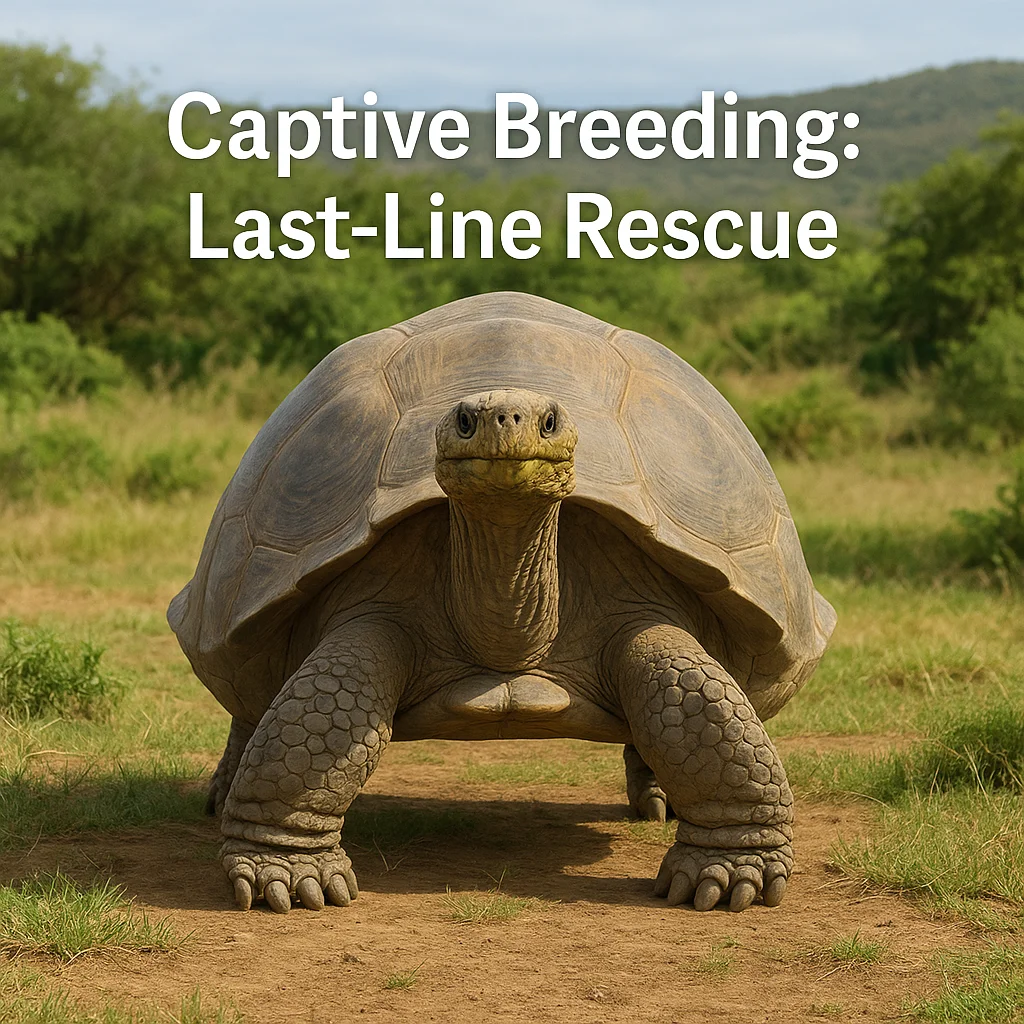
In endangered species, captive breeding serves as a safeguard, maintaining genetic diversity and creating opportunities for reintroduction to the wild. This conservation approach can be pivotal, especially when animals are endemically tethered to fragile or shrinking habitats. Endemic species are those found in a particular geographic area and nowhere else, making them especially vulnerable to extinction.
This article explores the ecology, history, disappearance, and conservation challenges of species driven to extinction or near extinction due to various factors. By understanding where these animals lived, their roles in their ecosystems, and why they vanished, we grasp the complexities of conservation efforts today.
🧭 Where It Lived
The geographical range of species targeted for captive breeding varies widely. Some are found only on specific islands or isolated valleys, making them susceptible to habitat changes and human activity. For instance, many bird species of the Pacific islands have been placed into captive breeding programs due to their limited ranges and specific habitat requirements.
Adaptive animal species live in diverse habitats, including tropical forests, grasslands, wetlands, and coral reefs. These environments provide essential resources such as food and shelter, and any alteration can severely impact survival. A rich diversity of life depends on these habitats, which are often under threat from human development, deforestation, and climate change.
When a species is restricted to an island or a very localized area, it faces increased risk of extinction. Such limited ranges mean that any habitat disturbance, introduction of invasive species, or other threats can have dire consequences. This geographic vulnerability is a critical factor in decision-making for captive breeding initiatives.
🌿 Habitat and Daily Life
The climate in habitats where species slated for captive breeding come from can vary significantly from temperate zones with distinct seasons to tropical regions with warm, stable temperatures and high humidity. Rainfall patterns also vary, shaping the flora and fauna of the region.
Species in these habitats have diverse diets and feeding strategies. Some may browse on leaves, fruits, or flowers, while others are more carnivorous, hunting for smaller animals. Foraging behaviors and diet are often crucial considerations in captive breeding programs to ensure that animals maintain naturalistic behaviors.
Reproduction and life cycles also vary greatly. Breeding seasons can be influenced by environmental factors such as availability of food or changes in weather. Parental care patterns are important in captive breeding, as they inform how young should be raised to ensure successful maturation and eventual reintroduction into the wild.
🧬 What Made It Unique
Physical attributes such as size, color, and specific adaptations make species distinct and sometimes uniquely suited to their environments. These adaptations may include specialized claws for climbing, wings for long-distance travel, or scales that provide camouflage or protection.
Many species have evolved senses well-tuned to their needs, such as heightened smell for finding food or enhanced vision for avoiding predators. Their roles within ecosystems are vital, contributing to seed dispersal, pollination, or maintaining the food web as both predator and prey.
In some cultures, vanished species held significant importance, featuring in folklore, spiritual practices, or as emblems of natural heritage. Understanding these connections enriches conservation efforts, linking ecological facts with cultural significance.
⏳ When It Disappeared
Extinction timelines can vary greatly, with formal declarations based on the last confirmed sightings and exhaustive searches. The official process of declaring a species extinct involves multiple factors, including a lack of sightings and comprehensive surveys of their natural habitats.
For some species, such as those on remote islands, records can be sparse, and misidentifications are common, adding to the uncertainty. In cases where individuals survive only in captivity, the species is classified as "Extinct in the Wild," signifying no remaining natural populations.
Although precise dates for extinction can be elusive, researchers use available data to piece together the most accurate timelines possible. This knowledge is crucial in understanding what went wrong to prevent similar outcomes for other endangered species.
⚠️ Why It Went Extinct
The extinction of species targeted for captive breeding often results from a combination of factors. Habitat loss and fragmentation disrupt living spaces and breeding grounds, leading to population declines. Deforestation for agriculture or urbanization is a primary cause of habitat degradation.
Overhunting or overfishing reduce population numbers and genetic diversity. Human activities such as trophy hunting, fishing, and collecting for trade exert relentless pressure on wild populations.
Introduced or invasive species can outcompete native animals for resources, introduce diseases, or prey on them directly. Invasive plants and animals can also alter habitats irreversibly, further endangering native species. Pollution and climate changes add additional stress, affecting food availability and altering habitats permanently.
🧩 How We Know (Evidence and Records)
Various forms of evidence document our knowledge of vanished species. Fossils and subfossils provide ancient records, helping scientists determine evolutionary paths and ecological roles. Museums hold specimens that offer critical biological insights through examination and genetic analysis.
Field notes, photographs, and even oral histories add to the tapestry of evidence, capturing species characteristics and behaviors. Genetic studies can confirm identities and relationships between extinct and surviving species.
Verification of extinction relies on systematic surveys, interviews with local communities, and modern technologies like environmental DNA, which helps detect remaining populations or assess biodiversity health.
🛡️ Could It Have Been Saved
Conservation actions that might have saved these species include establishing protected habitats, implementing hunting bans, and controlling invasive species. Each option involves trade-offs in terms of resources, public support, and ecological impact.
Captive breeding programs have shown success with several species but often face challenges, such as maintaining genetic diversity and ensuring proper reintroductions. Conservation efforts have sometimes come too late, with populations already critically low.
Late-stage interventions have varied results; while some species bounce back with effort, others face insurmountable odds. Understanding these outcomes informs future strategies and emphasizes proactive conservation efforts.
🔁 Are There Any Survivors or Close Relatives Today
Close relatives provide ecological insights and help guide conservation efforts. These relatives can occupy similar niches, and their presence sometimes offers hope for ecosystem restoration. For instance, closely related subspecies or genetically similar species can act as ecological replacements.
In some cases, captive breeding and reintroduction programs are ongoing to revitalize population levels. Success stories show the potential, though challenges like habitat degradation and socio-political issues persist.
The presence of close relatives or ecological counterparts often guides rewilding decisions or ecosystem management plans, ensuring long-term balance and sustainability.
❓ Common Questions and Misconceptions
Was it hunted to extinction? While overhunting contributes to extinction, it often combines with other threats like habitat loss or invasive species.
Why didn’t it adapt or move? Species have specific ecological niches, and rapid environmental changes can outpace their ability to adapt or migrate.
Could it still be alive somewhere? Despite occasional claimed sightings, rigorous searches and evidence usually confirm extinction.
What does 'declared extinct' actually mean? It means comprehensive surveys have failed to locate any surviving individuals in the wild.
What is the difference between endangered and extinct? Endangered species face high extinction risk but still have surviving populations, while extinct species have no living members known.
Why are island species so vulnerable? Island species often have limited ranges and specialized adaptations, making them susceptible to environmental changes and invasive species.
📌 Summary
- Captive breeding aims to prevent species extinction
- Geographic range varies from islands to continents
- Species thrive in habitats like forests and coral reefs
- Diverse diets and behaviors are crucial to survival
- Adaptations enable specific ecological roles
- Timelines vary; extinction often confirmed after exhaustive surveys
- Habitat loss, overhunting, invasives are key drivers
- Evidence includes fossils, specimens, and genetic data
- Closest relatives offer hope for ecosystem restoration
- The key lesson: proactive conservation is essential
- Understanding saves and prevents future extinctions