🏞️ Invasive Species Spread Globally
🌍 What It Was
Invasive species are organisms that are introduced, either intentionally or unintentionally, into regions where they are not native. These species often possess traits that allow them to thrive in new environments, sometimes outcompeting local flora and fauna.
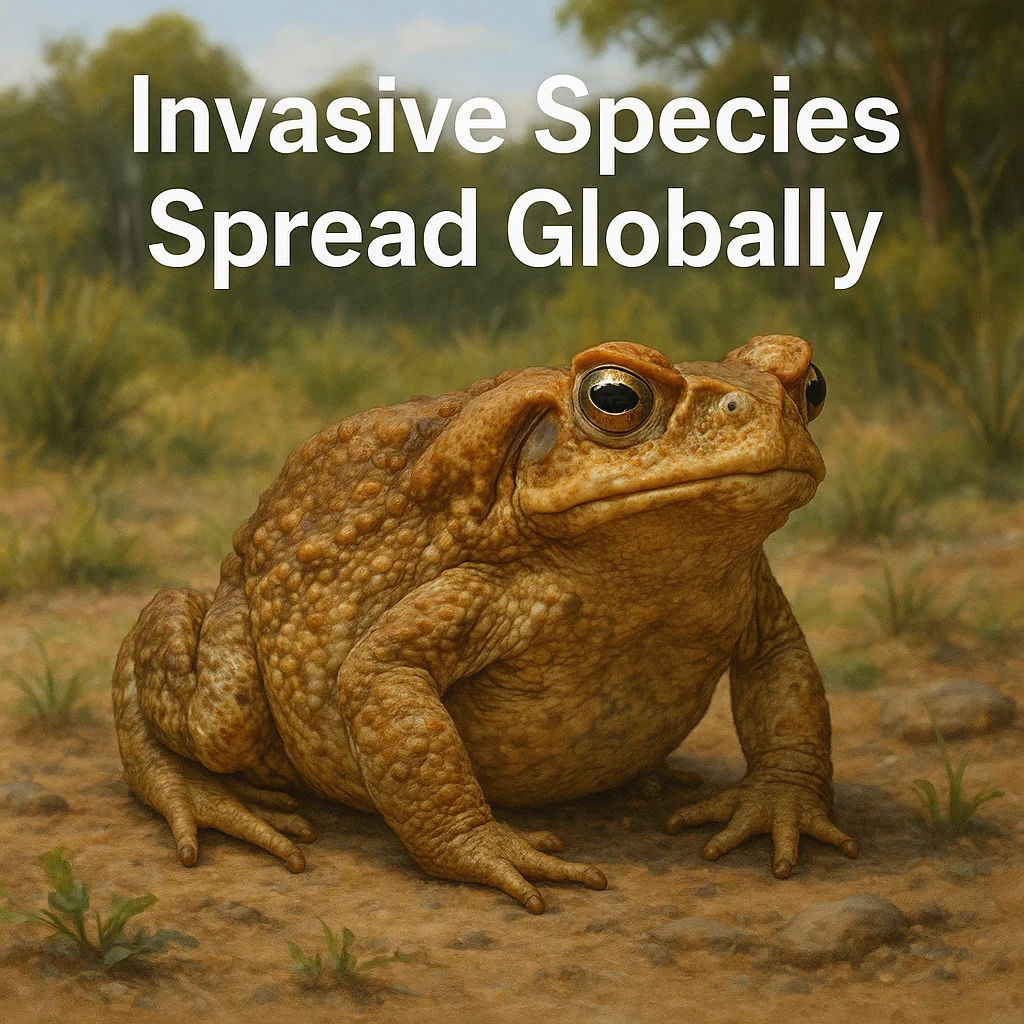
The introduction and impact of invasive species is a matter of significant concern globally. In many cases, these species have few natural predators in their new habitats, allowing them to multiply rapidly and disrupt local ecosystems.
This article explores the phenomenon of invasive species, examining where these organisms have spread, how they live and interact with local ecosystems, and what makes them particularly problematic in certain situations.
🧭 Where It Lived
Invasive species can be found all over the world, on every continent and in every ocean. They have spread to a diverse range of regions, affecting forests, grasslands, wetlands, and marine environments alike. Examples include the zebra mussel in North American freshwater systems and the cane toad in Australian terrestrial habitats.
These species often thrive in temperate climates but are not limited to them; they can adapt to tropical, arid, and polar regions depending on their specific biological needs. Invasive plants such as kudzu can be seen covering vast areas of the southeastern United States, while invasive mammals like the European rabbit have proliferated in regions like Australia.
One particular challenge with invasive species is when they spread on islands or in highly localized areas. These environments often have unique ecosystems that can be easily disrupted by non-native species. On islands, invasive species can swiftly dominate due to lack of competition and predators.
🌿 Habitat and Daily Life
Invasive species often find new habitats that mimic their original environments, enabling them to establish quickly. Many take advantage of human-altered landscapes, such as agricultural fields and urban areas, where they find ample food and reduced competition.
The diet of invasive species varies widely. Herbivorous invasive species such as the brown tree snake in Guam feed on native bird populations, while plant species like the water hyacinth thrives on nutrient-rich water bodies, blocking sunlight and reducing oxygen levels crucial for aquatic life.
Reproductive strategies of invasive species are often well-suited to domination. Many have high reproductive rates or adaptable breeding habits that allow them to quickly increase their population and establish a foothold in their new environments.
The interactions between invasive species and native species can be highly detrimental. For example, the introduction of the Nile perch into Lake Victoria drastically reduced native fish populations through predation, altering the entire aquatic ecosystem.
🧬 What Made It Unique
Invasive species often have unique physical traits or ecological roles that facilitate their spread and establishment. For example, the Asian carp's ability to leap several feet out of water allows it to bypass natural barriers and migrate to new waterways.
Many invasive species possess specialized senses or feeding behaviors that give them an edge over native species. The emerald ash borer, an invasive beetle, has powerful mandibles that allow it to burrow into and damage trees at a rapid rate, jeopardizing entire forests.
In some regions, invasive species have cultural or historical significance due to their impact on local economies or ecosystems. For instance, the introduction of rabbits to Australia has led to widespread agricultural damage, sparking intervention efforts.
⏳ When It Disappeared
Invasive species themselves do not typically disappear in the same manner as native species. However, efforts are sometimes made to control or eradicate them due to their impact. The timeline for these actions varies greatly depending on the species and the measures undertaken by conservation organizations.
The absence of regular monitoring or documentation can lead to uncertainties about the effectiveness of eradication efforts. Occasionally, species thought to be eradicated re-emerge, highlighting the necessity for continued vigilance and management.
In some cases, invasive species migrate to new areas, making them difficult to control. This highlights the importance of early detection and proactive management strategies to prevent widespread establishment.
⚠️ Why It Went Extinct
The proliferation of invasive species often leads to the decline or extinction of native species, but the invasive species themselves rarely face such threats. Instead, they thrive due to several factors that make them adaptable and resilient.
Habitat loss and fragmentation can give invasive species an edge as they might exploit disturbed areas where native species struggle. For example, some invasive plant species quickly colonize deforested areas, suppressing native plant growth.
Invasive species are not usually subject to overhunting or overfishing in their new environments, which can aid their spread. Furthermore, their introduction can sometimes be intentional, as with sport hunting or aquarium trade, exacerbating the situation.
The introduction of new diseases or pathogens by invasive species can also devastate local populations, as native species are often unprepared to deal with these new threats.
While invasive species themselves rarely face extinction, they can contribute significantly to biodiversity loss worldwide, emphasizing the complex and interconnected nature of global ecosystems.
🧩 How We Know (Evidence and Records)
Evidence of invasive species spreading is gathered from field notes, ecological surveys, and genetic studies. These tools help identify invasions and track their impact on native biodiversity.
Museum specimens serve as valuable records for scientists tracing the origins of invasive species. Recognizing an invasive species and documenting their arrival in new territories is crucial for management.
Identifying invasive species and documenting their spread can be difficult, especially if these organisms are elusive or have cryptic lifestyles. This necessitates continued research and monitoring efforts.
🛡️ Could It Have Been Saved
Conservation strategies for managing invasive species focus on prevention and control. Preventing their introduction is more effective than attempting to remove established populations.
Control measures, like hunting restrictions or creating barriers to prevent movement, can limit the spread of these species and reduce their impact. Captive breeding or relocation are not typically applied to invasive species as they are with threatened native species.
While intervention efforts sometimes come too late, early detection and rapid response strategies offer the best means of minimizing damage.
🔁 Are There Any Survivors or Close Relatives Today
Invasive species often have close relatives in their native regions, but it is unusual to refer to these relatives in the context of surviving introduced populations.
Ecological replacements do not typically apply to invasive species as they diversify and expand into several ecological niches, often outcompeting native organisms and permanently altering ecosystem dynamics.
Reintroduction of native species, rather than invasive species, is generally the focus of conservation efforts aiming to restore ecosystems to their original state.
❓ Common Questions and Misconceptions
Was it hunted to extinction? Invasive species are not typically hunted to extinction. Instead, they benefit from lack of predation.
Why didn’t it adapt or move? Invasive species often do adapt and move much more easily than their native competitors.
Could it still be alive somewhere? Invasive species are often highly adaptable and continue to spread rather than face extinction.
What does "declared extinct" actually mean? It refers to when the last known individual of a species dies or an ecosystem is deemed significantly altered or disrupted.
What is the difference between endangered and extinct? Endangered means a species is at risk of extinction, while extinct means no individuals are left.
Why are island species so vulnerable? Islands often have unique ecosystems with species that are not adapted to compete with more aggressive invaders.
📌 Summary
- Invasive species can thrive particularly well in new regions where they have few natural predators.
- They are found worldwide, from continents to islands.
- Habitats impacted include forests, grasslands, wetlands, and aquatic environments.
- Diet varies widely; many consume native flora and fauna.
- Adaptations, such as rapid reproduction, give them a competitive edge.
- Invasive species do not typically face extinction but cause extensive ecological harm.
- Main drivers include habitat changes and intentional/unintentional introductions.
- Scientific evidence includes field studies, historical documentation, and genetic analysis.
- They often have close relatives in their native range.
- Early detection and prevention are key to minimizing their impact.
- Understanding invasive species helps in developing better conservation strategies.