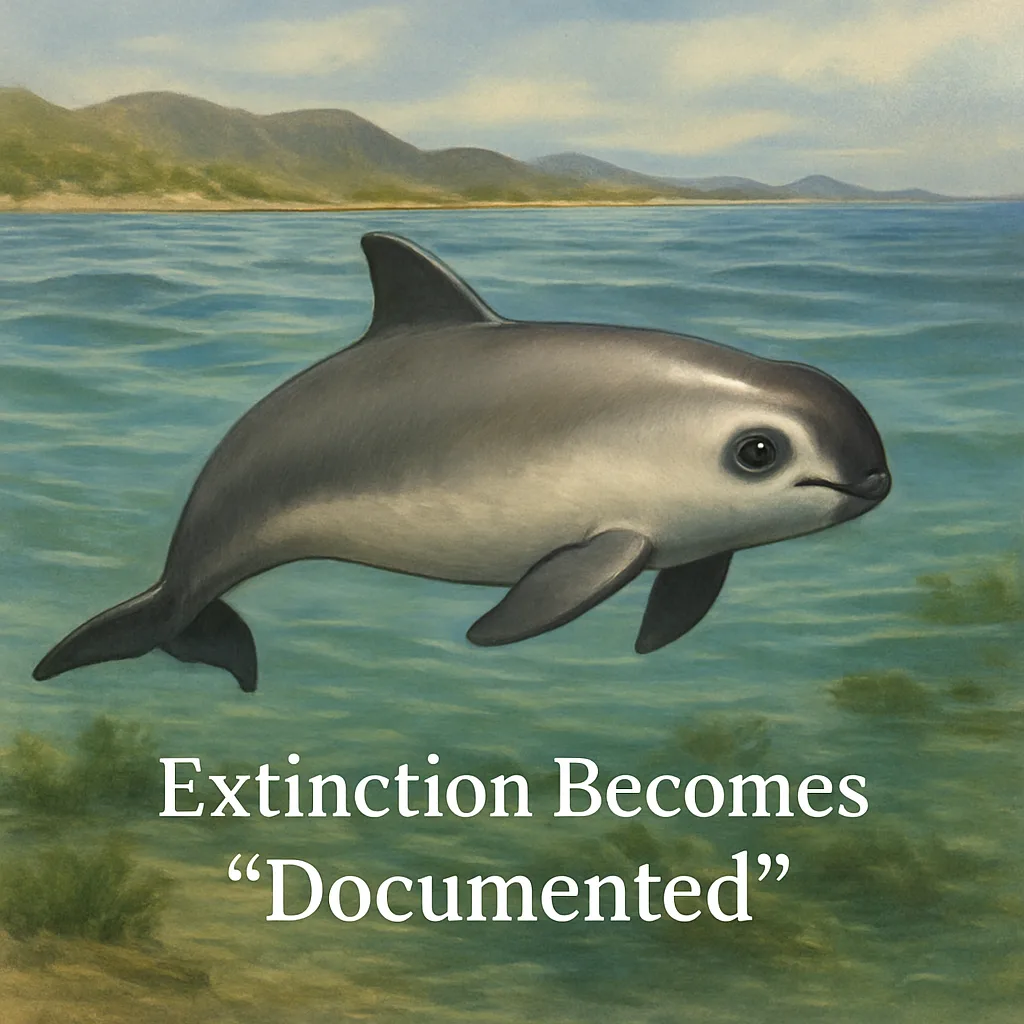
🏞️ Extinction Becomes “Documented”
🌍 What It Was
The animal we are exploring in this article is the Dodo. The Dodo was a flightless bird that belonged to the family of pigeons and doves. It was famous for its inability to fly and bulky size, giving it a unique appearance among birds.
The Dodo's closest living relatives are the Nicobar pigeon, the Rodrigues solitaire, and other birds in the Columbidae family. Within its ecosystem, the Dodo played the role of a ground-foraging bird, consuming fruits and likely aiding in seed dispersal.
In this article, we will explore where the Dodo lived, how it lived its daily life, when it disappeared, and the reasons behind its extinction. Through these aspects, we aim to provide a comprehensive understanding of this fascinating bird that is often considered a symbol of extinction.
🧭 Where It Lived
The Dodo was native to the island of Mauritius, located in the Indian Ocean. This island was its exclusive home, making the Dodo an endemic species, meaning it was only found in this particular location.
On Mauritius, the Dodo inhabited woodlands and coastal areas. These habitats offered abundant food in the form of fruits and seeds, as well as sufficient shelter. The forests provided the Dodo with a safe environment, away from potential dangers.
The fact that the Dodo lived only on one island increased its risk of extinction. Island-limited species often face heightened threats because they cannot migrate to new habitats if their current one becomes unsuitable. Environmental changes or the introduction of new predators can dramatically impact such species.
🌿 Habitat and Daily Life
Mauritius, being a tropical island, had a warm and moist climate with distinct wet and dry seasons. This environment supported lush vegetation, which in turn sustained the Dodo.
The Dodo fed primarily on fruits, seeds, and possibly small invertebrates. Its foraging style involved walking on the forest floor, using its large, hooked beak to gather food.
Regarding reproduction, details are sparse, but it is believed that the Dodo laid its eggs on the ground due to its inability to fly. This ground-nesting behavior may have made its eggs vulnerable to newly introduced predators.
In the ecosystem of Mauritius, the Dodo likely interacted with several other species, acting as a seed disperser. Its extinction could have impacted the ecological balance, affecting the dispersal of certain plant species.
🧬 What Made It Unique
The Dodo was distinct for its large, bulky body and small wings, adaptations that indicate its flightlessness. It had a large beak that was slightly hooked, suitable for its fruit-based diet.
Due to its isolation on an island without mammalian predators, the Dodo did not develop a fear of humans. This lack of natural predators prior to human arrival led to its naivety and contributed to its downfall after humans arrived with new threats.
While there are no records of the Dodo's cultural significance to the indigenous populations, it gained recognition in European culture as a symbol of extinction after it became extinct.
⏳ When It Disappeared
The last confirmed records of the Dodo date back to the late 17th century. Some sources suggest the last sighting occurred around 1662, while others propose it might have survived into the early 1700s.
Declaring a species extinct involves the absence of sightings despite extensive searching in its known habitat. Given the time period and limited record-keeping, there is some uncertainty around the exact timeline of the Dodo's extinction.
However, the general consensus is that the Dodo was declared extinct by the mid-18th century as no further sightings were reported and its habitat was extensively altered by human activity.
⚠️ Why It Went Extinct
The extinction of the Dodo was likely due to a combination of factors. Initially, habitat loss and fragmentation played a significant role as humans cleared forests for settlement and agriculture.
Overhunting was another major driver. The Dodo, being unafraid of humans, was hunted extensively by sailors and settlers for food. This direct exploitation reduced their population rapidly.
Introduced species, such as rats, pigs, and monkeys, also had a critical impact. These animals preyed on Dodo eggs and competed for food resources, further driving the Dodo towards extinction.
While there is no clear evidence of disease or climate events directly causing the Dodo's extinction, the introduction of invasive species and human exploitation were decisive factors in its demise.
🧩 How We Know (Evidence and Records)
The primary evidence about the Dodo comes from historical accounts, paintings, and museum specimens, including bones. Early explorers provided descriptions and sketches that give insight into its appearance and behavior.
Fossils and skeletal remains found in Mauritius have been crucial in piecing together the physical characteristics and confirming the existence of the Dodo.
Modern techniques involve genetic analysis from preserved specimens, which helps confirm the Dodo's place in the pigeon and dove family. Despite limited direct observations, these various forms of evidence help verify its identity and extinction timeline.
🛡️ Could It Have Been Saved
Realistically, conservation actions such as habitat protection and controlling invasive species might have helped save the Dodo. Limiting hunting and enforcing protective measures could have given it a fighting chance.
Unfortunately, such conservation concepts were not recognized at the time of the Dodo's existence. By the time awareness arose, the Dodo population had already dwindled to non-recoverable levels.
There were no recorded late conservation attempts, as scientific interest in preserving species was not yet prevalent during the early 1600s.
🔁 Are There Any Survivors or Close Relatives Today
The closest living relatives of the Dodo include the Nicobar pigeon and other pigeons in the Columbidae family. These birds share similar genetic make-up and physical features, albeit smaller in size.
In terms of ecological replacements, no species entirely fills the Dodo's role on Mauritius today. The loss of the Dodo likely altered the seed dispersal patterns and forest composition, highlighting its niche in the ecosystem.
❓ Common Questions and Misconceptions
Was it hunted to extinction? Yes, hunting by humans significantly contributed to the Dodo's extinction.
Why didn’t it adapt or move? The Dodo was flightless and endemic to Mauritius, limiting its ability to adapt or migrate.
Could it still be alive somewhere? Unlikely, as there have been no sightings for centuries despite extensive searching.
What does 'declared extinct' actually mean? It means there have been no confirmed sightings after thorough searches in its known habitats.
What is the difference between endangered and extinct? Endangered species still have some surviving members, while extinct species have none left alive.
Why are island species so vulnerable? Limited habitat and resources make them susceptible to changes and invasive species.
📌 Summary
- The Dodo was a flightless bird native to Mauritius.
- Endemic to the island, it depended on woodlands and coastal habitats.
- The Dodo thrived in a tropical climate with ample fruits.
- It fed on fruits and seeds, contributing to seed dispersal.
- Adapted to an environment devoid of mammalian predators.
- Last known sightings were in the late 1600s.
- Main extinction drivers were hunting and introduced species.
- Skeletal remains and historical accounts provide evidence.
- Closest relatives are in the Columbidae family.
- The Dodo's story underscores the importance of protecting vulnerable species.
- The Dodo remains a symbol of human-driven extinction.