🏞️ Overhunting During the 1700s
🌍 What It Was
Overhunting during the 1700s represents a period when human activity significantly impacted various animal species, particularly through excessive hunting and trapping. This overexploitation led to significant declines in animal populations and drove some species to extinction. The passenger pigeon, a bird that once numbered in the millions, serves as an iconic example of this era's impact.
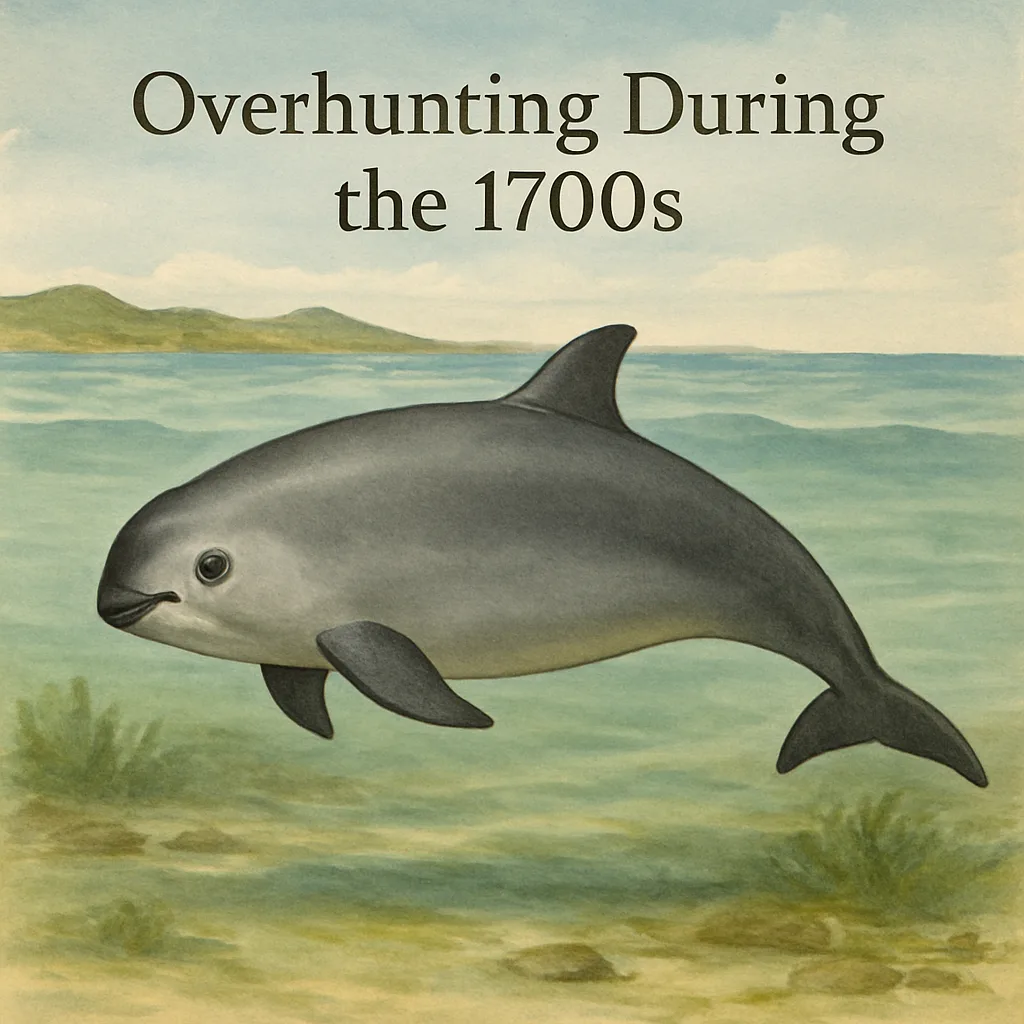
The passenger pigeon was a migratory bird endemic to North America. It was remarkably social, forming flocks so large they could darken the sky. Its closest living relative is the band-tailed pigeon, although it is far less numerous today. The passenger pigeon was a keystone species in its ecosystem, affecting the forests it inhabited through its feeding and roosting behavior.
In this article, readers will learn where the passenger pigeon lived, its lifestyle, the timeline of its extinction, and why it ultimately disappeared. This exploration highlights the broader implications of human activities on animal populations.
🧭 Where It Lived
The passenger pigeon was native to North America, with its range covering vast areas of eastern and central regions. Its habitats included deciduous forests, where it found ample food and suitable nesting sites. The birds migrated in search of food, which allowed them to cover a wide geographical area.
These pigeons thrived in large tracts of forest where they could find acorns, beech nuts, and chestnuts. This habitat was essential for their survival, supporting the growth of trees that provided both food and shelter. They were particularly reliant on areas with dense, mature forests for both nesting and roosting.
Island-limited or highly localized extinction risks weren't as prevalent for passenger pigeons as for other species, but the destruction of key forest habitats by deforestation did play a critical role. When their habitats were fragmented, access to food sources diminished, contributing to the decline in their numbers.
🌿 Habitat and Daily Life
The climate within the passenger pigeon's habitat range varied, including cold winters and warm summers with moderate rainfall. This climatic variability influenced the availability of food resources, particularly nuts and seeds, which were their primary diet.
Passenger pigeons exhibited communal living, moving in immense flocks that facilitated efficient foraging. They fed on mast, the nuts of trees, which were abundant in their forested environments. The flocks traveled great distances to find food, a process essential to their survival.
The reproduction cycle of the passenger pigeon was adapted to their migratory lifestyle, with breeding taking place as they followed food sources. They typically nested in large colonies, and although they laid only one or two eggs per clutch, the massive colonies ensured continued population growth.
Interactions with other species included competition for food with other seed-eating birds and predation by birds of prey. Their migratory pattern meant they encountered various ecosystems and species throughout their annual travels.
🧬 What Made It Unique
The passenger pigeon was notable for its size, with some individuals reaching up to 16 inches in length. Their plumage was a blend of blues and grays, with iridescent feathers that made them visually striking. These traits helped in camouflage and communication within the large flocks.
Ecologically, passenger pigeons played a role in seed dispersal, aiding in the regeneration of their forest habitats. Their foraging behavior helped to maintain the ecological balance by controlling the growth of certain tree species.
Historically, these birds were integral to Indigenous peoples, who relied on them as a food resource and for cultural significance. Early American settlers also depended on them for sustenance, further illustrating their importance in human history.
⏳ When It Disappeared
The last confirmed wild passenger pigeon was observed in the late 1800s. By the early 1900s, the species was declared extinct after the death of the last known individual, Martha, in 1914, held in captivity at the Cincinnati Zoo.
There remains some uncertainty about the exact date of extinction due to potential misidentifications and the sparsity of confirmed sightings in remote areas. However, official extinction status follows guidelines set by organizations that confirm no viable populations exist around the world.
It is important to understand the term "Extinct in the Wild," which refers to species that no longer exist in their natural habitat but may survive in captivity. Passenger pigeons, however, are fully extinct with no individuals known in captivity or the wild.
⚠️ Why It Went Extinct
The extinction of the passenger pigeon was a multi-causal event, majorly driven by overhunting. The high demand for pigeon meat led to mass hunting, with intense trapping and shooting reducing populations drastically.
Habitat loss and fragmentation also played a substantial role. Deforestation for agriculture and settlement destroyed vast areas of the forests they depended upon. The loss of these environments fragmented sustainable living spaces and food supplies.
Although introduced species weren't a major factor in this case, disease and climate shift did affect the bird populations minimally. Extreme hunting pressure and habitat destruction were the primary contributors to their decline.
Pollution and environmental changes also contributed to their extinction, albeit to a lesser extent. The intensive human activity of the time created a hostile environment from which the passenger pigeon could not recover.
🧩 How We Know (Evidence and Records)
Evidence of the passenger pigeon's existence comes from numerous sources, including fossil records, preserved museum specimens, and historical accounts. These provide a comprehensive view of their life and eventual decline.
Field notes and early photographs offer visual confirmation of their flocking behavior and interactions with the environment. Oral histories from Indigenous peoples and settlers provide valuable context about their habitat and societal value.
Scientific verification of identity and dates involves rigorous analysis of available evidence, including genetic studies of preserved specimens. For passenger pigeons, their once-abundant presence means they left a rich historical record.
🛡️ Could It Have Been Saved
Realistic conservation actions that might have aided the passenger pigeon's survival include establishing protected habitats and implementing hunting limits. Such measures could have moderated the rapid population decline.
Programs to control forest clearing and maintain large tracts of habitat would have supported their ecological needs. Despite these potential actions, the severity of hunting pressure overwhelmed any minor conservation attempts that occurred too late.
There were a few late-stage conservation attempts, but none were successful or sustained enough to reverse the decline. Today, similar strategies are applied to at-risk species with varied success.
🔁 Are There Any Survivors or Close Relatives Today
The closest living relative of the passenger pigeon is the band-tailed pigeon, a bird sharing some behavioral similarities though on a much smaller scale. While not filling the same ecological niche, it serves as a reminder of what has been lost.
In ecosystems where passenger pigeons once thrived, other species have assumed similar roles. However, these "ecological replacements" are often less effective at fulfilling the same functions due to differing habits and requirements.
No reintroduction or captive programs currently exist for the passenger pigeon, as it is fully extinct. However, efforts to protect similar species are ongoing, stressing the importance of early intervention.
❓ Common Questions and Misconceptions
Was it hunted to extinction? Yes, overhunting was a primary cause of their extinction.
Why didn’t it adapt or move? Rapid environmental change and excessive hunting pressures left little room for adaptation.
Could it still be alive somewhere? No confirmed sightings or evidence support that possibility today.
What does 'declared extinct' actually mean? It means there are no known living individuals in the wild or captivity.
What is the difference between endangered and extinct? Endangered means at risk of extinction; extinct means no living individuals remain.
Why are island species so vulnerable? Island species often have limited ranges, making them more susceptible to environmental changes.
📌 Summary
- The passenger pigeon was a social, migratory bird native to North America.
- Its range included vast forested areas, essential for feeding and nesting.
- Habitats required dense forests with ample food supply.
- It existed primarily on a diet of mast (nuts and seeds).
- Known for large, spectacular flocks that influenced forest ecology.
- Last confirmed in the wild in the late 1800s; extinct by 1914.
- Main extinction drivers included overhunting and habitat destruction.
- Evidence from fossils, specimens, and historical records.
- Closest living relative is the band-tailed pigeon.
- Key lesson: Highlights human impact and importance of early conservation.
- Memorable takeaway: The passing of once-abundant species underscores what can be lost without intervention.