🏞️ What Records Exist from the 1500s
🌍 What It Was
The animal of focus in the 1500s was a remarkable bird known as the Dodo. This flightless bird was renowned for its distinctive appearance, characterized by a large, bulky body, tiny wings, and a large hooked beak. The Dodo became iconic due to its rapid extinction after human contact, symbolizing the impact of human activities on wildlife.
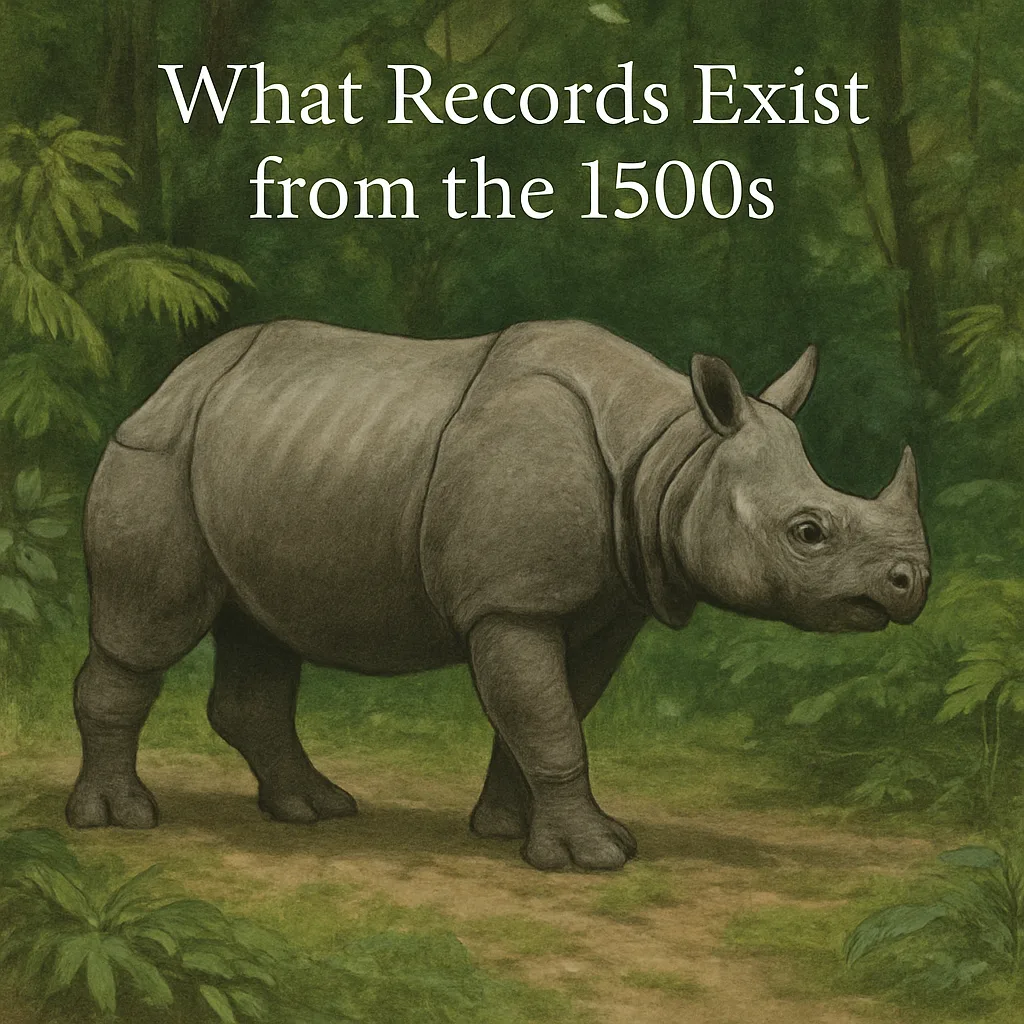
Classified as a member of the pigeon family, the Dodo’s closest living relatives are birds such as the Nicobar pigeon. The Dodo was well integrated into its ecosystem, playing a role in seed dispersion and nutrient cycling.
In this article, you will gain insights into where the Dodo lived, how it lived, when it disappeared, and the reasons behind its extinction. By understanding these factors, we can better appreciate the importance of conservation and the impact of human actions on wildlife.
🧭 Where It Lived
The Dodo was endemic to the island of Mauritius, located in the Indian Ocean. As a small island, Mauritius offered a limited geographic range for the Dodo's population. This limited range made the Dodo particularly vulnerable to environmental changes and human activities.
Mauritius was a tropical paradise with lush forests and rich biodiversity, providing the Dodo with abundant resources. The island's forests were crucial for the Dodo, offering food sources such as fruits and shelter for nesting and breeding.
The restricted geographic range on an isolated island increased the Dodo's risk of extinction. Island species often face higher extinction risks due to their limited habitats, restricted resources, and inability to migrate to other regions under threat.
Understanding the Dodo's limited distribution helps to highlight the challenges faced by island species and the critical importance of preserving their habitats.
🌿 Habitat and Daily Life
The climate in Mauritius during the time of the Dodo was tropical, characterized by warm temperatures, ample rainfall, and a distinct seasonality. These conditions created a rich environment teeming with flora and fauna that supported the Dodo population.
The Dodo fed primarily on fruits, seeds, and nuts, foraging on the forest floor. This diet indicates that it played a role in seed dispersal, contributing to the maintenance of the island's vegetation. The Dodo's large beak was likely adapted to crack open tough seeds and fruits.
Reproduction for the Dodo involved laying eggs on the ground amid the undergrowth, a risky strategy as ground nests are more vulnerable to predation. With a slow reproductive rate, the Dodo population was susceptible to declines from environmental changes or human interference.
In interacting with other species, the Dodo faced competition for food with other frugivorous animals and likely had natural predators, although less is known about these relationships due to the bird’s quick extinction.
🧬 What Made It Unique
The Dodo was unique for its striking physical traits, including its large size, flightlessness, and distinctive beak. These adaptations suited its island environment where flight was less necessary due to a lack of large predators.
Beyond its physical appearance, the Dodo’s ecological role was significant. As a frugivore, it helped maintain the forest ecosystem by aiding in seed dispersal. This behavior supported the growth of plant species across the forest.
Culturally, the Dodo holds a historical significance as a symbol of human-induced extinction. Its story has become a cautionary tale illustrating the consequences of careless human actions on the environment.
⏳ When It Disappeared
The timeline of the Dodo’s extinction is marked by the first recorded encounter by Dutch sailors in the late 1500s and the last confirmed sightings in the late 1600s. The Dodo was declared extinct by the late 17th century, a century after its discovery.
Concluding the exact timeline poses challenges, as missing records and inconsistencies in historical accounts contribute to uncertainty. The Dodo's extinction serves as an example of how rapid declines can occur in isolated environments.
The term "Extinct in the Wild" refers to species that exist only in captivity or in controlled environments, but for the Dodo, extinction meant the complete disappearance of the species.
⚠️ Why It Went Extinct
The main drivers behind the Dodo’s extinction include habitat loss, overhunting, and the introduction of invasive species. These factors were interconnected and compounded each other, accelerating the Dodo's decline.
Habitat loss occurred as human settlers cut down forests for agriculture and development, diminishing the Dodo's living space and food availability. Overhunting by humans further decimated its population, as sailors hunted the bird for food.
Invasive species introduced by humans, such as rats, pigs, and monkeys, preyed upon Dodo eggs and competed for resources, exacerbating the decline. These introduced animals thrived in the absence of natural predators to keep their populations in check.
Such multi-causal extinction drivers highlight the complex interplay of factors that can lead to a species’ decline, emphasizing the need for proactive conservation efforts.
🧩 How We Know (Evidence and Records)
Evidence of the Dodo’s existence and extinction comes from a variety of sources, including fossil remains, subfossils, contemporary accounts by sailors, and skeletal reconstructions held in museums.
Scientists use these records to piece together a timeline and verify the identity of the bird species. The progression of fossil and subfossil discoveries helps confirm the Dodo's physical characteristics and ecological role.
Despite the limited contemporary written records, the evidence collected over time provides a comprehensive view of the Dodo’s life and extinction. The challenge remains in the scarcity of detailed firsthand accounts from the era.
🛡️ Could It Have Been Saved
Effective conservation actions that might have helped save the Dodo include habitat protection, hunting regulations, and invasive species control. However, these strategies were not implemented during the 1600s due to a lack of awareness and scientific understanding of extinction.
Trade-offs included practical difficulties in executing large-scale conservation within a short period. The rapid spread of human settlement outpaced efforts to preserve the Dodo and its habitat.
Today, these lessons inform conservation strategies for other threatened species, emphasizing the urgency of timely interventions before declines become irreversible.
🔁 Are There Any Survivors or Close Relatives Today
The closest living relatives of the Dodo are the Nicobar pigeon and other related bird species within the Columbidae family. These relatives share traits such as plumage and ecological behaviors but have adapted to different environments.
No ecological replacements for the Dodo exist as the original ecosystem of Mauritius has been significantly altered. Thus, direct reintroductions are not feasible, and the focus lies in preventing similar extinctions.
While no live specimens or reintroduction programs for Dodos exist, their story continues to serve as a poignant reminder of ecological vulnerability and the need to protect similar species from extinction.
❓ Common Questions and Misconceptions
Was the Dodo hunted to extinction? While hunting contributed to their extinction, it was not the sole factor. Habitat loss and invasive species played significant roles as well.
Why didn’t the Dodo adapt or move? As a flightless bird endemic to Mauritius, the Dodo could not relocate to avoid threats. Evolutionary adaptations suited it to a stable island environment rather than rapid changes.
Could the Dodo still be alive somewhere? Scientific consensus holds that the Dodo is extinct. The lack of sightings and evidence over centuries supports this conclusion.
What does "declared extinct" actually mean? It denotes that no individuals are known to survive in the wild and that the species has been fully investigated and confirmed extinct.
What is the difference between endangered and extinct? An endangered species faces a high risk of extinction in the wild, while an extinct species has no surviving individuals.
Why are island species so vulnerable? Limited ranges and resources make island species more susceptible to threats, as they lack the ability to migrate or adapt rapidly to changes.
📌 Summary
- The Dodo was a flightless bird with notable physical traits such as a large hooked beak.
- It lived exclusively on the island of Mauritius in the Indian Ocean.
- Its habitat consisted of dense tropical forests offering rich resources.
- The Dodo's diet included fruits, seeds, and nuts, and it played a role in seed dispersal.
- Unique adaptations included its size and flightlessness, suited to the absence of predators.
- The last known period alive was in the late 1600s, with extinction declared by the late 17th century.
- Main extinction drivers included habitat loss, overhunting, and invasive species.
- Evidence includes skeletal remains, contemporary accounts, and reconstructions.
- The Nicobar pigeon is among the Dodo’s closest living relatives.
- The key conservation lesson is the critical importance of early intervention and habitat protection.
- The Dodo’s extinction remains a memorable cautionary symbol of human impact on biodiversity.